

The Hidden Challenge of Commercial Contract Acquisition
Most restoration companies chase residential water damage calls while commercial restoration contracts sit 80% unfilled in local markets. Property managers, facility directors, and commercial insurance adjusters follow different decision-making patterns than homeowners facing basement floods.
Commercial restoration contracts in your local area require a completely different marketing approach than emergency residential calls. These contracts involve longer sales cycles, multiple decision-makers, and higher profit margins that can transform your restoration business.
This guide reveals specific tactics restoration companies use to secure more commercial restoration contracts without competing on price alone.
Why Commercial Restoration Marketing Differs From Residential
Commercial property managers don’t search “emergency water damage” at 2 AM. They research restoration contractors months before disasters strike, building vendor lists through referrals and professional networks.
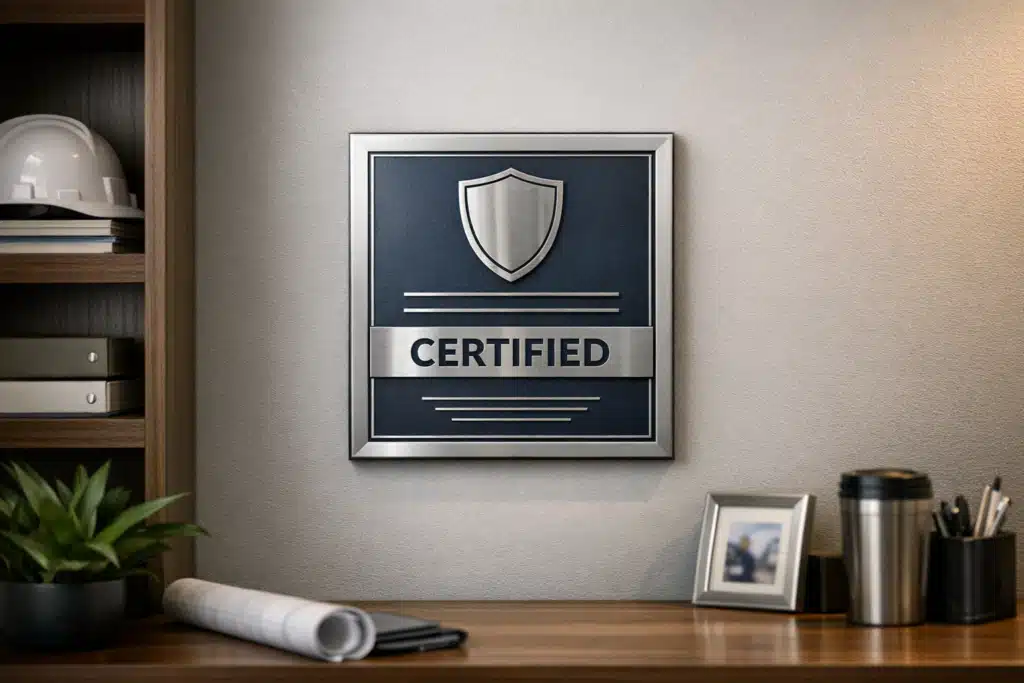
Commercial buyers evaluate restoration companies based on certifications, response capacity, and documented processes rather than Google reviews and emergency availability. Your residential marketing strategies won’t reach these decision-makers.
Commercial contracts also involve procurement departments, insurance adjusters, and facility management companies that require different messaging than panicked homeowners.
Building Your Commercial Restoration Profile
Industry Certifications That Win Contracts
Commercial property managers filter restoration vendors by specific certifications before considering bids. IICRC certifications in Commercial Drying Specialist (CDS) and Applied Structural Drying (ASD) appear in 90% of commercial RFPs.
Large loss certifications demonstrate capacity for projects exceeding $100,000. These credentials separate your company from residential-focused competitors when facility managers build approved vendor lists.
Display certifications prominently on your website’s commercial services page and include certification numbers in all commercial proposals.
Equipment Documentation and Capacity Proof
Commercial clients need evidence you can handle simultaneous large-scale projects. Create an equipment inventory document listing specific models, quantities, and capacity ratings for dehumidifiers, air movers, and extraction equipment.
Photograph your equipment warehouse and include these images in commercial marketing materials. Property management companies often require proof of equipment availability before approving vendors.
Document your largest completed projects with square footage, timeline, and scope details. Commercial buyers want evidence you’ve handled similar-sized disasters successfully.
How to Target Commercial Decision-Makers in Your Local Area
LinkedIn Outreach to Property Managers
Search LinkedIn for “Property Manager” + “Facilities Manager” + your city name to identify commercial decision-makers. These professionals manage multiple buildings and influence restoration vendor selection.
Send connection requests highlighting your commercial restoration expertise and local presence. Property managers prefer working with restoration companies that understand commercial building systems and business interruption concerns.
Share educational content about preventing commercial water damage and indoor air quality management to establish expertise before pitching services.
Google Ads for Commercial Keywords
Commercial buyers search differently than residential customers. Target keywords like “commercial water damage restoration,” “office building flood repair,” and “warehouse moisture removal” in your local market.
Create separate landing pages for commercial services with case studies, certifications, and 24/7 emergency response guarantees. Commercial ads should emphasize business continuity and minimal disruption rather than emotional reassurance.
Set higher bids for commercial keywords since these searches convert to larger contracts with better profit margins than residential emergency calls.
Strategic Partnerships That Generate Commercial Referrals
Insurance Adjuster Relationships
Commercial property claims involve specialized adjusters who handle multiple buildings for major insurance carriers. Build relationships with commercial lines adjusters rather than residential claim representatives.
Invite commercial adjusters to lunch quarterly and provide detailed project documentation that makes their job easier. Adjusters remember restoration companies that submit thorough reports with photos and moisture readings.
Attend local insurance industry events where commercial adjusters network. These relationships generate steady referrals when major losses occur.
Building Engineer and Facilities Management Connections
Chief building engineers manage maintenance for office complexes, hospitals, and manufacturing facilities. These professionals often decide which restoration company receives emergency calls.
Offer free building assessments highlighting potential moisture problems and air quality concerns. Building engineers appreciate contractors who help prevent disasters rather than just respond to them.
Join local facilities management associations like IFMA chapters where building engineers gather monthly. Sponsor educational presentations about moisture control and emergency response planning.
Content Marketing That Attracts Commercial Clients
Educational Resources for Property Managers
Create downloadable guides addressing commercial property concerns like “Preventing Mold in Office Buildings” and “Emergency Response Plans for Water Damage.” Property managers download these resources when researching vendors.
Include your contact information and commercial certifications in every educational resource. Commercial decision-makers often save helpful resources for months before needing restoration services.
Host webinars for local property management groups covering topics like humidity control, emergency preparedness, and insurance claim documentation.
Case Studies That Demonstrate Commercial Expertise
Document commercial projects with specific details about challenges faced and solutions provided. Include square footage affected, equipment used, and completion timeline for each case study.
Focus case studies on business continuity achievements like “Restored 50,000 sq ft office space in 5 days without business interruption.” Commercial buyers care more about operational impact than emotional outcomes.
Feature different building types in case studies including offices, retail spaces, warehouses, and medical facilities to demonstrate versatility.
Pricing Strategies for Commercial Restoration Contracts
Value-Based Pricing Over Hourly Rates
Commercial clients pay for results and minimal business disruption rather than hourly labor rates. Price projects based on value delivered including fast completion, quality workmanship, and detailed documentation.
Emphasize business continuity benefits when presenting commercial proposals. Calculate the client’s daily revenue loss from closed facilities and position your services as protecting those earnings.
Offer project completion guarantees and timeline commitments that residential competitors cannot match. Commercial properties need predictable restoration schedules.
Maintenance Agreement Opportunities
Propose ongoing maintenance agreements after completing commercial restoration projects. These contracts provide monthly recurring revenue while keeping your company top-of-mind for future disasters.
Include quarterly inspections, humidity monitoring, and priority emergency response in maintenance agreements. Property managers budget for predictable maintenance costs more easily than emergency repairs.
Maintenance agreements also position your company as the obvious choice when disasters occur at properties you already service.
Measuring Commercial Marketing Success
Track commercial inquiries separately from residential leads to measure marketing effectiveness. Commercial leads convert at different rates and generate higher average project values.
Monitor which referral sources produce the most commercial contracts. Property manager referrals typically convert at 60% higher rates than online inquiries but require longer relationship-building investments.
Calculate lifetime customer value for commercial accounts including repeat projects and referrals to other properties managed by the same company.
Conclusion
Securing more commercial restoration contracts requires targeted marketing to property managers, facility directors, and commercial insurance adjusters rather than emergency-focused residential strategies. Building industry relationships and demonstrating commercial expertise generates steady contract opportunities.
Focus on certifications, equipment capacity, and business continuity messaging to differentiate from residential-focused competitors. Commercial clients pay premium rates for restoration companies that understand their unique operational needs.
Ready to develop a commercial restoration marketing strategy that generates consistent contract opportunities? Contact The Restoration Marketers at 123-456-7890 to discover how specialized marketing campaigns can grow your commercial restoration revenue in your local market.