
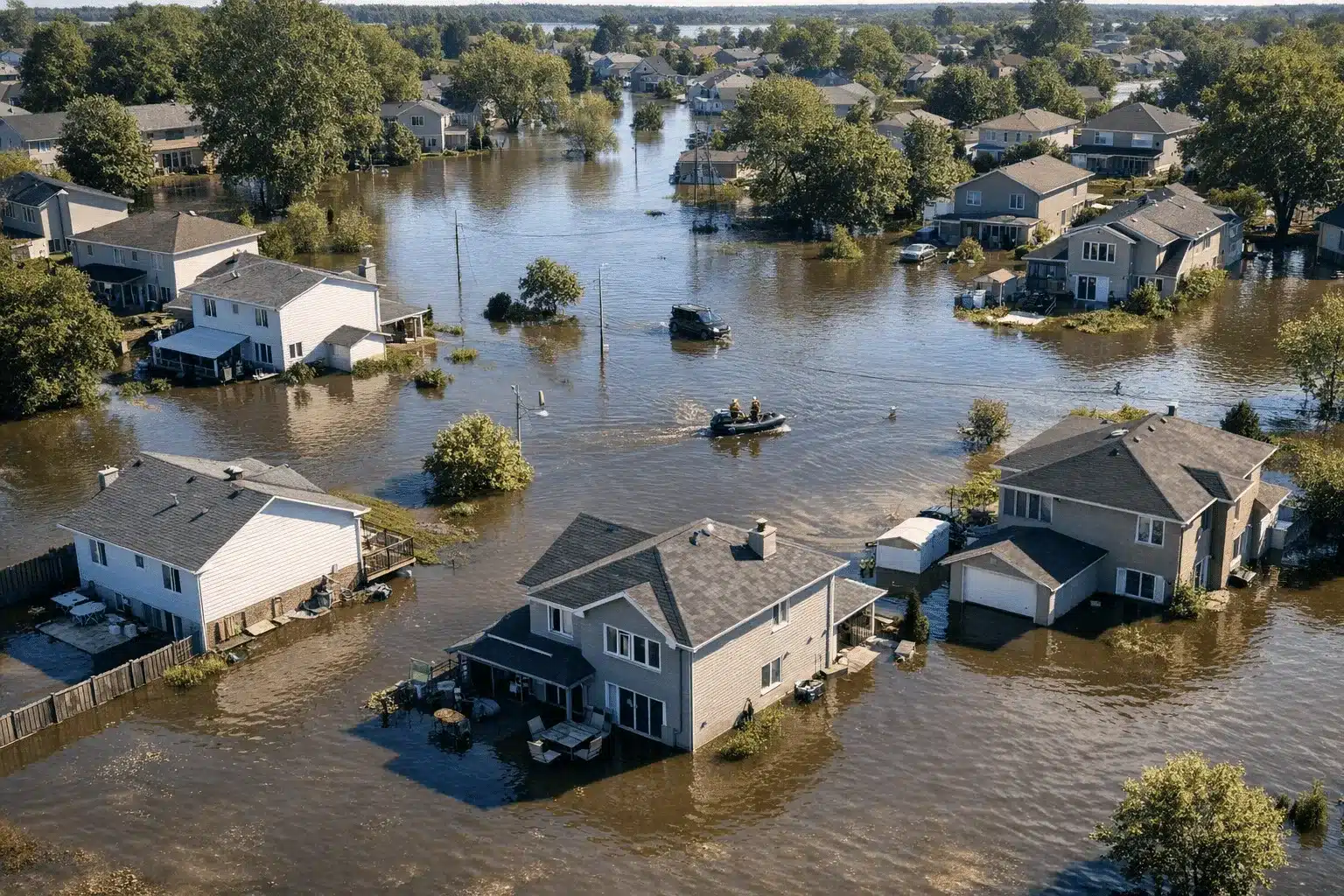
Spring Flooding Creates Massive Search Volume Spikes
Spring flooding drives 200-400% increases in water damage searches across most U.S. markets between March and June. Restoration companies that fail to capture this seasonal surge lose thousands of potential leads to competitors with better-optimized campaigns.
Smart Google Ads keywords separate profitable restoration businesses from those struggling to fill their calendars. The difference often comes down to understanding search intent and matching keywords to actual customer behavior during flood emergencies.
This guide reveals which keywords drive the highest ROI for flood restoration companies and how to structure campaigns that convert searchers into paying customers.
High-Intent Google Ads Keywords That Convert Flood Customers
Emergency flood searches follow predictable patterns. Homeowners and property managers search differently than insurance adjusters, and your keyword strategy must account for both audiences.

Immediate emergency keywords capture customers who need help right now:
- emergency flood cleanup [city]
- 24 hour water damage repair
- basement flooding help
- flood damage restoration near me
- water extraction emergency service
These keywords typically cost $15-45 per click but convert at 8-15% because searchers have immediate need. Budget heavily here during peak flood season.
Insurance-related keywords target property owners dealing with claims:
- flood damage insurance claim
- water damage restoration insurance
- insurance approved flood cleanup
- flood restoration estimate
Insurance keywords convert at 6-12% with lower cost-per-clicks ($8-25) because the sales cycle is longer. These leads often generate higher total project values.
Location-Specific Keywords Drive Local Traffic
Local flood restoration keywords outperform generic terms by 40-60% for small and mid-size restoration companies. Geographic modifiers help you compete against national chains with smaller budgets.
Effective location combinations include:
- [Service] + [City/Neighborhood]
- [Service] + “near [landmark]”
- [Service] + [County] + [State]
Track which geographic areas generate the most calls. Many restoration companies discover 70-80% of their business comes from just 3-5 zip codes.
Seasonal Keyword Bidding Strategy for Maximum ROI
Successful flood restoration campaigns adjust bids based on seasonal demand patterns. Most markets see flood-related searches peak during specific months based on local weather patterns.
Pre-flood season (typically February-March) offers opportunities to bid on preparation keywords at lower costs:
- basement waterproofing
- flood prevention services
- water damage inspection
These keywords cost 30-50% less than emergency terms but can generate maintenance contracts and build your customer database before peak season.
Peak flood season requires aggressive bidding on high-intent keywords. Increase budgets by 200-300% during historically heavy flood periods in your market.
Monitor local weather forecasts and news coverage. Major storms can drive search volume up 500-800% within 24 hours.
Negative Keywords Prevent Wasted Ad Spend
Negative keywords eliminate clicks from searchers who will never become customers. Common negative keywords for flood restoration include:
- DIY, “do it yourself”
- free, cheap
- jobs, careers, employment
- supplies, equipment (unless you sell them)
- insurance company names (unless you work with them)
Review search term reports weekly during peak season. Add 10-15 new negative keywords monthly to improve campaign efficiency.
Keyword Match Types That Balance Reach and Relevance
Match types determine when your ads appear for flood restoration searches. The right mix maximizes exposure while controlling costs.
Exact match works best for high-converting emergency terms:
- [emergency water damage]
- [flood cleanup service]
- [basement flooding repair]
Exact match keywords typically convert 20-30% better than broad match but generate fewer total clicks.
Phrase match captures variations while maintaining relevance:
- “water damage restoration”
- “flood cleanup company”
- “emergency flood repair”
Start with phrase match for new keywords, then move top performers to exact match for better cost control.
Broad Match Requires Careful Management
Broad match can discover new profitable keywords but needs aggressive negative keyword lists. Use broad match for 20-30% of your keyword portfolio maximum.
Monitor broad match keywords daily during flood season. Pause any generating clicks above $50 without conversions.
Tracking ROI from Keyword to Customer Revenue
Measuring keyword ROI requires tracking beyond basic Google Ads metrics. Restoration companies must connect keywords to actual project revenue.
Essential tracking setup includes:
- Call tracking numbers on all ads
- Conversion tracking for form submissions
- UTM parameters to identify traffic sources
- CRM integration to track lead-to-sale conversions
Track metrics that matter for restoration businesses: cost per lead, lead-to-estimate conversion rate, and average project value by keyword.
Many restoration companies discover their most expensive keywords generate the highest-value projects. Emergency flood keywords often convert to $8,000-15,000+ restoration jobs.
Budget Allocation Based on Historical Performance
Allocate 60-70% of your flood restoration budget to proven high-converting keywords. Reserve 30-40% for testing new terms and seasonal opportunities.
Increase budgets for keywords that consistently generate projects above your target value. Decrease spending on keywords that produce low-value leads or price shoppers.
Ad Copy That Matches Keyword Intent
Your ad copy must align with the searcher’s intent behind each keyword. Emergency keywords need urgent, action-oriented copy. Insurance keywords should emphasize experience with claims.
Emergency flood ad copy elements:
- 24/7 availability
- Response time promises
- Emergency contact numbers
- Local service area
Insurance-focused ad copy should highlight:
- Claims experience
- Preferred vendor status
- Documentation services
- Direct insurance billing
Test multiple ad variations for your top keywords. Small copy changes can improve click-through rates by 15-25%.
Mobile Optimization for Emergency Searches
Over 75% of emergency flood restoration searches happen on mobile devices. Your campaigns must prioritize mobile user experience.
Use mobile-preferred ads with shorter headlines and descriptions. Include click-to-call extensions on all emergency keyword ads.
Bid adjustments for mobile should be 20-50% higher for emergency keywords since mobile searchers convert faster but represent more urgent needs.
Local Extensions Boost Visibility
Location extensions help flood restoration ads stand out in local search results. Include your business address, phone number, and distance information.
Sitelink extensions can highlight specific services like “Water Extraction,” “Mold Prevention,” and “Insurance Claims Help.”
Scaling Successful Keywords Across Markets
Once you identify profitable Google Ads keywords in one market, you can expand to similar geographic areas with comparable flood risks.
Research flood patterns and seasonal timing in new markets before launching campaigns. Coastal areas peak during hurricane season while northern markets see spring melt flooding.
Start with exact match versions of your best-performing keywords when entering new markets. Add location modifiers specific to each new area.
Successful restoration companies often discover they can replicate profitable keyword strategies across 5-10 similar markets with minimal changes.
The right Google Ads keywords can transform your flood restoration business from seasonal feast-or-famine to consistent year-round growth. Focus on high-intent emergency terms, track ROI carefully, and adjust bids based on seasonal patterns.
The Restoration Marketers specializes in developing profitable Google Ads campaigns for disaster restoration companies. Our team understands the unique challenges of marketing emergency services and can help you identify the keywords that drive the most valuable flood restoration leads in your market.
Contact us at 123-456-7890 to discuss how targeted keyword strategies can increase your flood restoration revenue this spring.
Sources
- FEMA – Flood Maps and Seasonal Patterns
- National Weather Service – Climate
- Google Ads Help Center – Keyword Match Types
- Small Business Administration – Digital Marketing Guide