
When Disaster Strikes, Your Communication Strategy Determines Client Retention
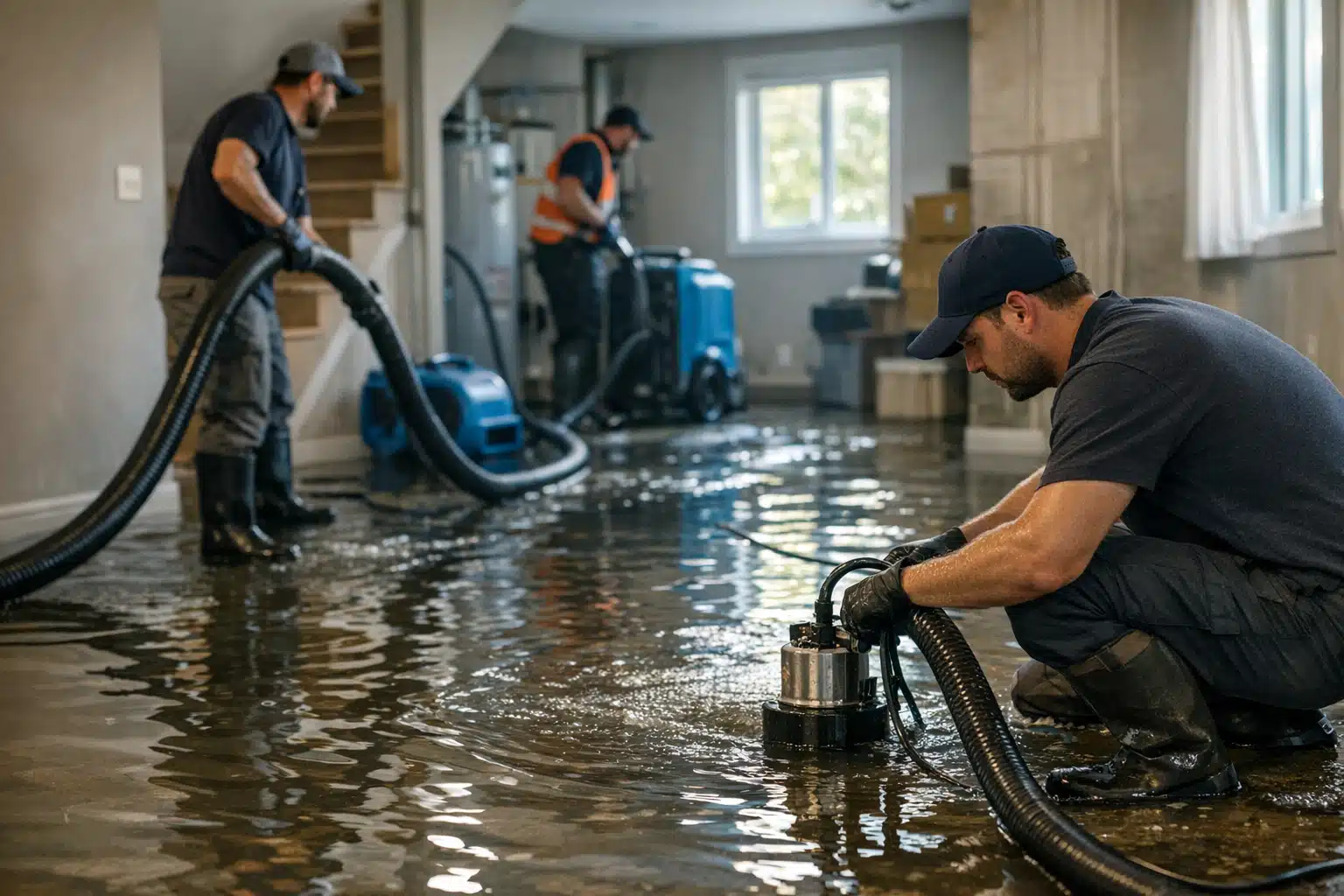
Water damage calls surge 400% during storm season. Fire damage claims spike after holiday weekends. When disaster strikes your clients, your response in the first 24 hours shapes their entire perception of your restoration company.
A well-executed crisis communication plan separates professional restoration companies from competitors who scramble with damage control. Your clients face their worst day—flooded basements, smoke-damaged belongings, displaced families. How you communicate during their crisis determines whether they become loyal advocates or negative online reviews.
This guide walks you through building a communication framework that maintains trust when stakes are highest. You’ll learn specific messaging strategies, response timelines, and digital communication tools that keep clients informed during restoration emergencies.
Building Your Crisis Communication Plan Foundation
Your crisis communication plan starts before disaster strikes. Most restoration companies react to communication breakdowns instead of preventing them. Smart restoration business owners establish clear protocols that activate automatically when projects go sideways.
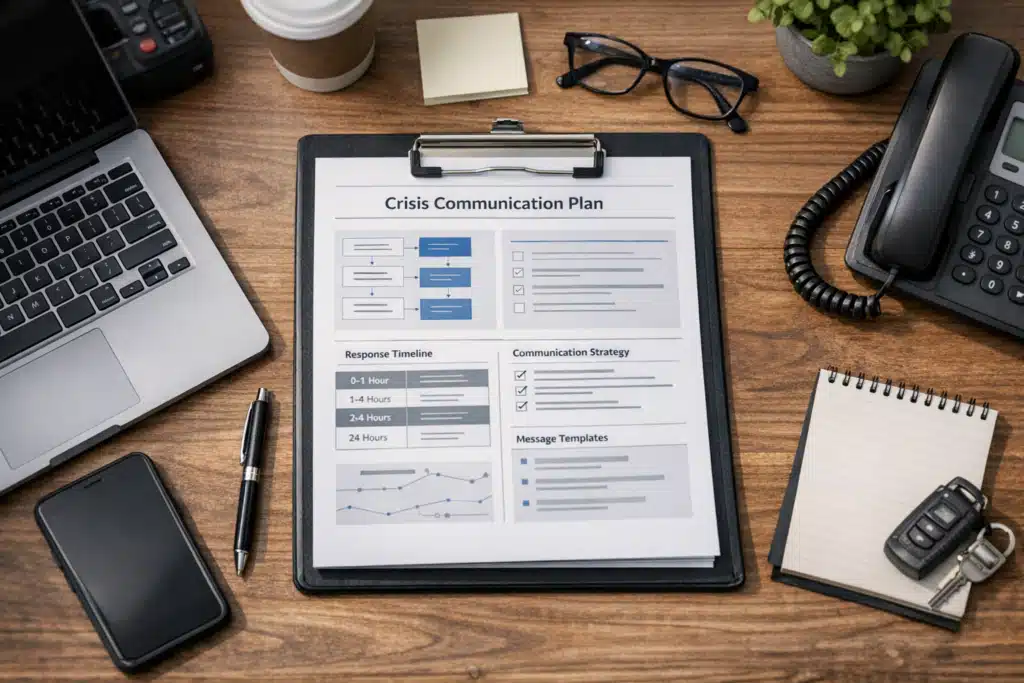
Document three communication triggers that require immediate response:
- Project delays beyond 24 hours: Equipment failures, weather delays, or unexpected structural damage discovery
- Property access issues: Insurance complications, additional damage findings, or safety concerns
- Cost changes exceeding 15%: Hidden damage, scope expansion, or material price fluctuations
Each trigger needs a specific response template. Pre-written messages save time and ensure consistent tone during stressful situations. Your team can focus on restoration work instead of crafting careful explanations under pressure.
Establishing Communication Hierarchy
Designate who communicates what information to clients. Mixed messages from multiple team members create confusion and erode trust. One person should own client communication per project.
Project managers handle technical updates and timeline changes. Office staff manage scheduling and basic questions. Business owners step in for major scope changes or billing discussions.
Creating Client Communication Preferences Database
Track how each client prefers to receive updates. Some want immediate text messages. Others prefer detailed email summaries. Insurance-referred clients often need documentation copied to adjusters.
Document these preferences in your project management system. Respecting communication preferences shows professionalism and builds trust. Calling someone who prefers text messages creates unnecessary friction during already stressful situations.
Immediate Response Protocols for Restoration Emergencies
The first four hours after discovering project complications determine client satisfaction scores. Restoration companies that respond quickly maintain higher client retention and generate more referral business.
Follow this immediate response sequence:
- Assess and document: Take photos, note timeline impacts, estimate cost changes (15 minutes)
- Internal team notification: Alert project manager and business owner about situation (5 minutes)
- Client notification call: Explain discovery, immediate steps, and next communication timing (10 minutes)
- Written follow-up: Send detailed explanation with photos and revised timeline (30 minutes)
This one-hour response window prevents client anxiety from escalating. Silence breeds worry and negative assumptions about your competence.
Crafting Transparent Damage Discovery Messages
Hidden damage discoveries test client relationships. Your explanation determines whether clients trust your expertise or question your initial assessment. Use this three-part message structure:
What we found: “During drywall removal in your kitchen, we discovered mold growth behind the refrigerator area that wasn’t visible during our initial inspection.”
What this means: “This adds two days to your timeline and requires specialized mold remediation before we continue restoration work.”
What happens next: “I’ll email you photos and our remediation plan within the hour. We can start mold treatment tomorrow morning if you approve the additional scope.”
This format provides facts without defensiveness and clear next steps without pressure.
Managing Insurance Communication Coordination
Insurance-involved projects require careful communication coordination. Adjusters need technical documentation. Clients need reassurance about coverage and out-of-pocket costs.
Copy adjusters on all written client communications about scope changes. This prevents conflicting information and speeds claim processing. Include relevant photos and detailed explanations of why additional work is necessary.
Digital Communication Tools for Real-Time Updates
Modern restoration companies use digital tools to maintain constant client connection. Project management platforms, automated messaging systems, and photo-sharing portals keep clients informed without overwhelming your staff.
Client portals provide 24/7 project visibility. Upload daily photos, timeline updates, and documentation that clients can access anytime. This reduces phone calls and demonstrates continuous progress.
Automated Milestone Messaging
Set up automated messages that trigger at specific project phases. “Water extraction complete” messages with next-day drying plans. “Demolition finished” updates with reconstruction start dates. “Final walkthrough scheduled” confirmations with completion timelines.
Automation ensures consistent communication even during busy periods. Clients receive updates at predictable intervals instead of wondering about project status.
Photo Documentation Systems
Daily progress photos address the most common client question: “How is my property looking?” Before-and-after comparisons show restoration progress visually. Time-stamped photos provide legal protection and insurance documentation.
Create shared photo folders that update automatically. Clients can show family members and insurance representatives without requesting separate reports. Visual updates often prevent anxious phone calls.
Managing Negative Situations with Professional Messaging
Equipment failures, worker mistakes, and unexpected complications happen in restoration work. Your response determines whether problems strengthen or damage client relationships.
Never minimize client concerns or offer immediate excuses. Acknowledge problems directly and focus on resolution steps. “I understand this delay is frustrating. Here’s exactly what we’re doing to get your project back on track.”
Delay Communication Strategy
Project delays trigger the strongest negative reactions from clients. People rearrange lives around restoration timelines. Extended hotel stays, work schedule changes, and family disruptions create stress that targets your company.
Communicate delays as soon as you identify them. Waiting until scheduled completion dates makes problems seem hidden or ignored. Early notification allows clients to adjust plans and demonstrates your proactive approach.
Provide specific recovery actions: “Equipment failure has delayed drying by two days. We’ve ordered backup units that arrive Thursday morning. This pushes your move-in date to Monday instead of Saturday.”
Cost Increase Explanations
Unexpected cost increases require careful explanation and documentation. Clients fear being overcharged during vulnerable situations. Present cost changes with detailed justification and itemized breakdowns.
Separate necessary work from optional upgrades. “Structural repairs are required for safety and code compliance. Cabinet upgrades are optional improvements you can consider.” This distinction helps clients make informed decisions without pressure.
Post-Crisis Follow-Up and Relationship Repair
Strong communication after problem resolution often creates your most loyal clients. People remember how you handled their worst situations. Professional crisis management builds referral relationships and positive online reviews.
Schedule follow-up calls one week and one month after project completion. Ask specific questions about communication quality during challenging moments. “Did you feel informed about the mold discovery situation? How could we have handled that delay better?”
Document lessons learned from each crisis situation. Update your communication templates based on real client feedback. Your crisis communication plan should evolve with experience.
Converting Crisis Clients into Advocates
Clients who experience problems that were handled professionally often become your strongest advocates. They’ve seen your company under pressure and trust your competence during difficult situations.
Ask satisfied crisis clients for case study participation or online reviews. Their testimonials carry extra weight because they describe problem-solving ability, not just routine work quality.
A detailed case study about managing hidden damage discovery or insurance complications demonstrates expertise to potential clients facing similar situations.
Measuring Communication Plan Effectiveness
Track specific metrics that indicate communication plan success. Client retention rates after problem projects. Online review sentiment about communication quality. Referral rates from challenging restoration jobs.
Survey clients about communication satisfaction separately from overall project satisfaction. This identifies whether problems stemmed from work quality or information sharing. Strong communication often compensates for minor project issues.
Monitor response times to client questions and concerns. Fast, professional communication builds confidence even when providing difficult updates. Measure average response times and set improvement goals.
Your Crisis Communication Plan Protects Your Reputation
Professional crisis communication transforms potential disasters into demonstrations of competence. Clients remember how you handled their emergencies more than routine project details. A solid communication plan builds trust when stakes are highest.
Ready to develop a comprehensive marketing strategy that includes crisis communication protocols? The Restoration Marketers specializes in helping restoration companies build trust and generate consistent leads through strategic marketing and communication systems. Contact us at 123-456-7890 to discuss how professional marketing support can grow your restoration business.
Sources
- U.S. Small Business Administration – Prepare for emergencies
- Ready.gov – Business Continuity Planning
- FEMA – Communicating Risk in Emergency Management