
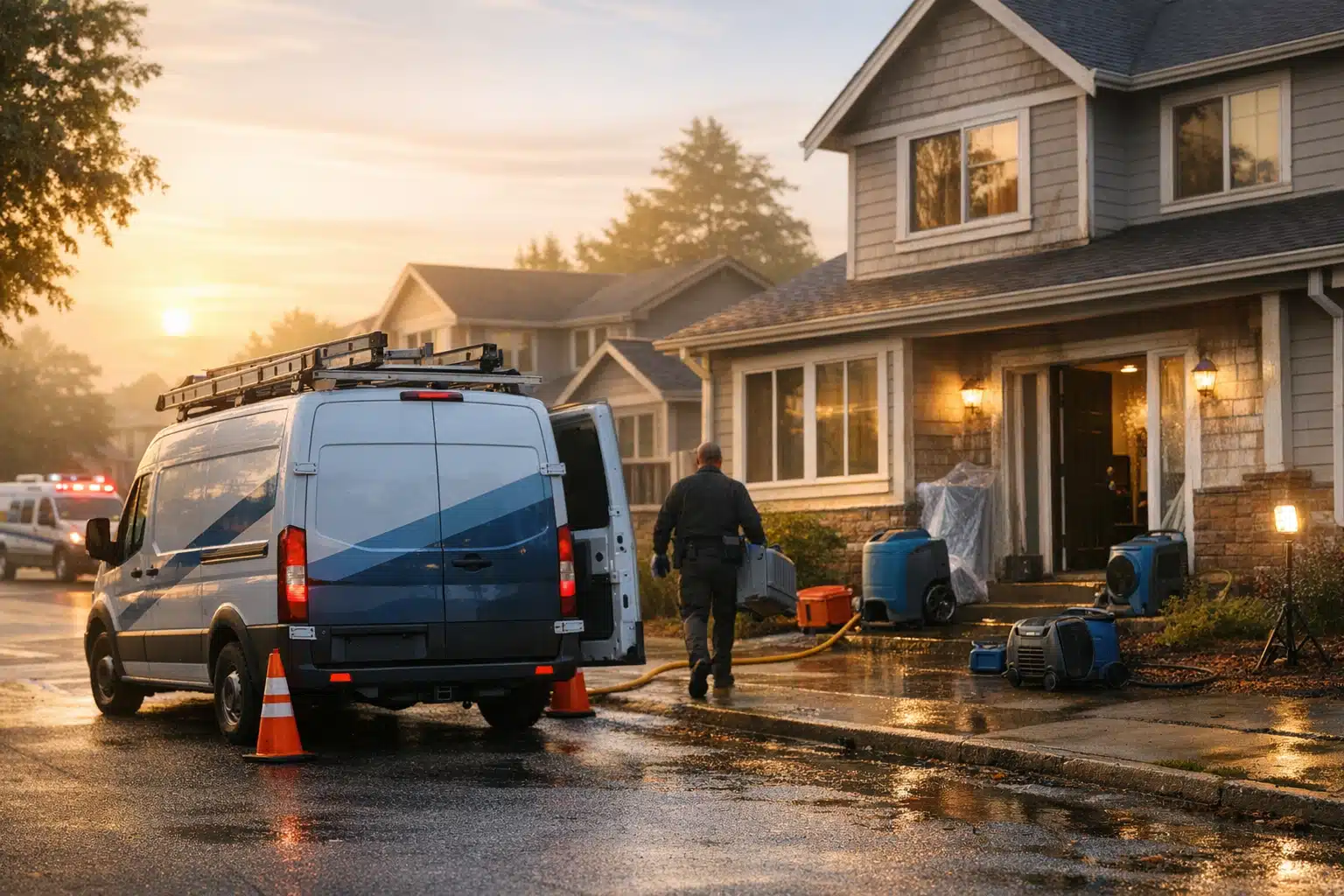
The High Cost of a Damaged Online Reputation for Restoration Companies
Your restoration company handled a water damage emergency perfectly, but one angry customer just left a scathing Google review claiming you overcharged them. Within hours, that review pushes your star rating below 4.0, and tomorrow’s emergency calls start going to competitors instead. A strong online reputation directly determines which restoration company homeowners call during their most stressful moments.
Emergency restoration differs from other home services because customers make split-second decisions under extreme pressure. They grab their phone, search “water damage repair near me,” and call the first company with stellar reviews and professional photos.
This guide reveals how to build an unshakeable online reputation that generates consistent emergency leads, even when competitors try to undercut your pricing.
Why Online Reputation Matters More for Emergency Restoration
Restoration customers behave differently than typical home service buyers. A homeowner planning a kitchen remodel researches contractors for weeks. A homeowner with three inches of water in their basement makes a decision in three minutes.
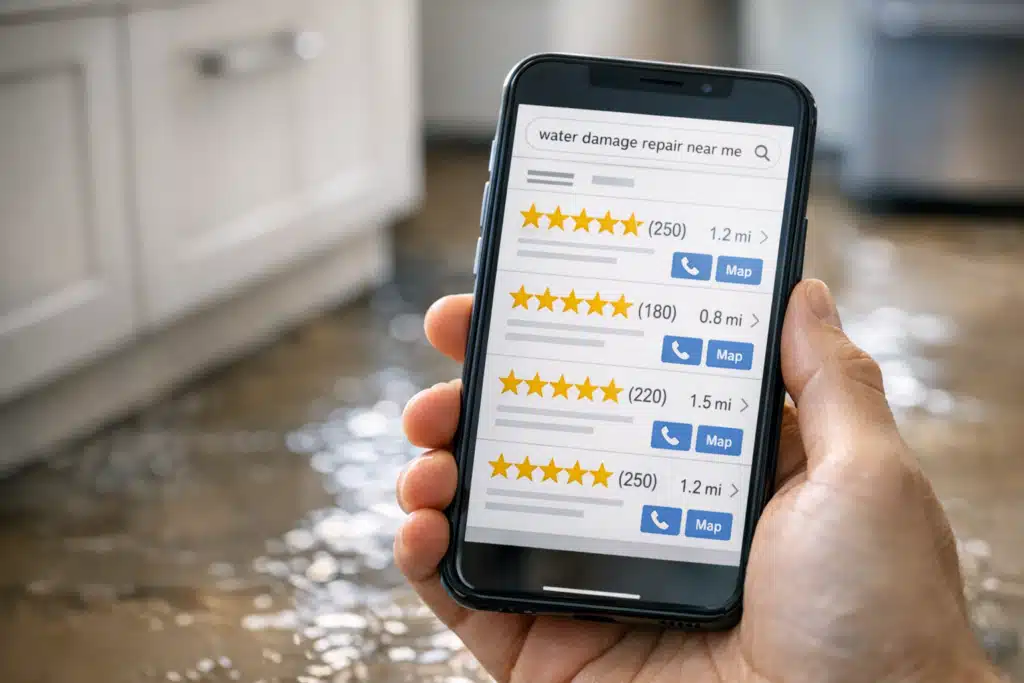
Insurance adjusters also check your online reputation before recommending your services. A claims adjuster managing dozens of cases weekly relies on Google reviews and Better Business Bureau ratings to identify reliable restoration partners.
Your online reputation directly impacts three revenue streams: emergency direct-pay customers, insurance referrals, and repeat business for secondary services like mold remediation or reconstruction.
The 4.2-Star Threshold for Emergency Calls
Restoration companies with ratings below 4.2 stars receive 60% fewer emergency calls than competitors with ratings above 4.5 stars. This threshold exists because stressed homeowners eliminate options quickly rather than comparing multiple contractors.
Even worse, Google’s local search algorithm favors businesses with higher ratings and more recent reviews. Poor reviews create a double penalty: fewer clicks and lower search rankings.
Building a Systematic Reputation Management Process
Reputation management for restoration companies requires different tactics than general contractors. Your customers experience high emotions, insurance complications, and extended project timelines that create unique review challenges.
The 24-Hour Review Request Protocol
Send review requests within 24 hours of project completion, not weeks later when memories fade. Happy customers forget positive emotions quickly, but negative experiences strengthen over time.
Create a standardized process your crew follows after completing emergency work:
- Take before and after photos showing the restoration results
- Walk the customer through completed work and confirm satisfaction
- Send a personalized text message with review links to Google and relevant industry platforms
- Follow up via email with project photos and a second review request if no response within 48 hours
Managing Insurance-Related Review Risks
Insurance disputes create the biggest reputation risks for restoration companies. Customers blame restoration contractors when insurance companies deny coverage or delay payments, even when the contractor performed excellent work.
Document all insurance interactions and communicate coverage limitations clearly from the first conversation. Send email summaries after each insurance adjuster meeting, copying the homeowner to create transparency.
When insurance problems arise, proactively contact customers to explain next steps and your role in resolving issues. Proactive communication prevents frustrated customers from venting through negative reviews.
Platform-Specific Strategies for Maximum Impact
Different review platforms influence restoration customers and referral sources differently. Focus your reputation management efforts on platforms that directly drive emergency calls and insurance partnerships.
Google Business Profile Optimization for Emergency Searches
Google reviews carry the most weight for emergency restoration searches because stressed customers rarely look beyond the first page of results. Maintain at least 50 Google reviews with an average rating above 4.5 stars to dominate local emergency searches.
Upload photos showing different types of restoration work: water damage, fire damage, mold remediation, and reconstruction. Emergency customers want proof you handle their specific problem type.
Respond to every Google review within 12 hours, including positive ones. Quick responses signal active business management to both customers and Google’s ranking algorithm.
Better Business Bureau for Insurance Credibility
Insurance adjusters check BBB ratings more frequently than other review platforms. An A+ BBB rating opens doors to preferred vendor programs and direct referrals from major insurance companies.
Address BBB complaints immediately and professionally. Insurance companies view unresolved BBB complaints as red flags when selecting restoration partners.
Industry-Specific Platforms
Platforms like Angie’s List and HomeAdvisor generate fewer emergency leads but influence customers researching restoration companies for non-urgent work like reconstruction or preventive services.
Maintain profiles on these platforms but focus review generation efforts on Google and BBB for maximum emergency lead impact.
Crisis Reputation Management for Restoration Companies
Even excellent restoration companies face reputation crises when projects go wrong or disgruntled customers launch review attacks. How you respond to reputation crises determines whether they become temporary setbacks or permanent damage.
The 1-Hour Response Rule
Respond to negative reviews within one hour whenever possible, especially during business hours. Quick responses show professionalism and often prevent angry customers from posting additional negative content.
Use this response template for negative reviews:
- Acknowledge the customer’s concerns without admitting fault
- Briefly explain your side if factually incorrect information was posted
- Invite the customer to discuss the situation privately via phone
- Include your direct contact information
Dealing with Fake Reviews from Competitors
Restoration markets often see fake negative reviews during busy seasons when competitors fight for limited emergency calls. Document suspicious reviews and report them to platform administrators with evidence.
Common signs of fake reviews include: no purchase verification, generic complaints that could apply to any contractor, multiple negative reviews posted within 24 hours, or reviewer profiles with no other review history.
The Review Recovery Campaign
When negative reviews damage your ratings, launch an accelerated positive review campaign. Contact your 20 most satisfied customers from the past year and request reviews to dilute negative feedback quickly.
Aim to generate 10 positive reviews for every negative review to restore your rating above the 4.2-star emergency call threshold.
Measuring Reputation Management ROI
Track these metrics monthly to measure your reputation management success:
- Average star rating across all platforms
- Total number of reviews generated per month
- Response time to negative reviews
- Percentage of emergency calls that mention finding you through reviews
- Insurance referral volume
Strong online reputation management typically increases emergency call volume by 30-40% within six months. The investment in systematic review generation pays for itself through higher lead volume and premium pricing credibility.
Advanced Reputation Strategies for Growth
Once you master basic reputation management, these advanced strategies separate your restoration company from competitors who only focus on star ratings.
Video Testimonials for High-Impact Projects
Request video testimonials for major restoration projects, especially those involving significant property damage or complicated insurance claims. Video testimonials carry more weight than text reviews because they show real customers and genuine emotion.
Post video testimonials on your website, Google Business Profile, and social media channels. Emergency customers trust video proof more than written reviews when choosing restoration companies for expensive projects.
Before-and-After Case Studies
Create detailed case studies showing dramatic restoration results with customer testimonials, project timelines, and challenge explanations. Case studies demonstrate expertise while generating content for multiple marketing channels.
Insurance adjusters share impressive case studies with colleagues, creating referral opportunities beyond individual projects.
Your restoration business needs consistent emergency calls to survive seasonal demand fluctuations and insurance industry changes. A systematically managed online reputation generates predictable lead flow regardless of weather patterns or competitor actions. Start with the 24-hour review request protocol and crisis response procedures outlined above.
Ready to build an unshakeable online reputation that drives consistent emergency restoration leads? Contact The Restoration Marketers at 123-456-7890 for specialized reputation management strategies that work specifically for disaster restoration companies.
Sources
- Better Business Bureau – Business Reviews and Reputation Management
- Google Business Help – Manage and Respond to Reviews
- Federal Trade Commission – Fake Reviews and Testimonials Rules