
Why Summer Demands Different Water Damage Marketing
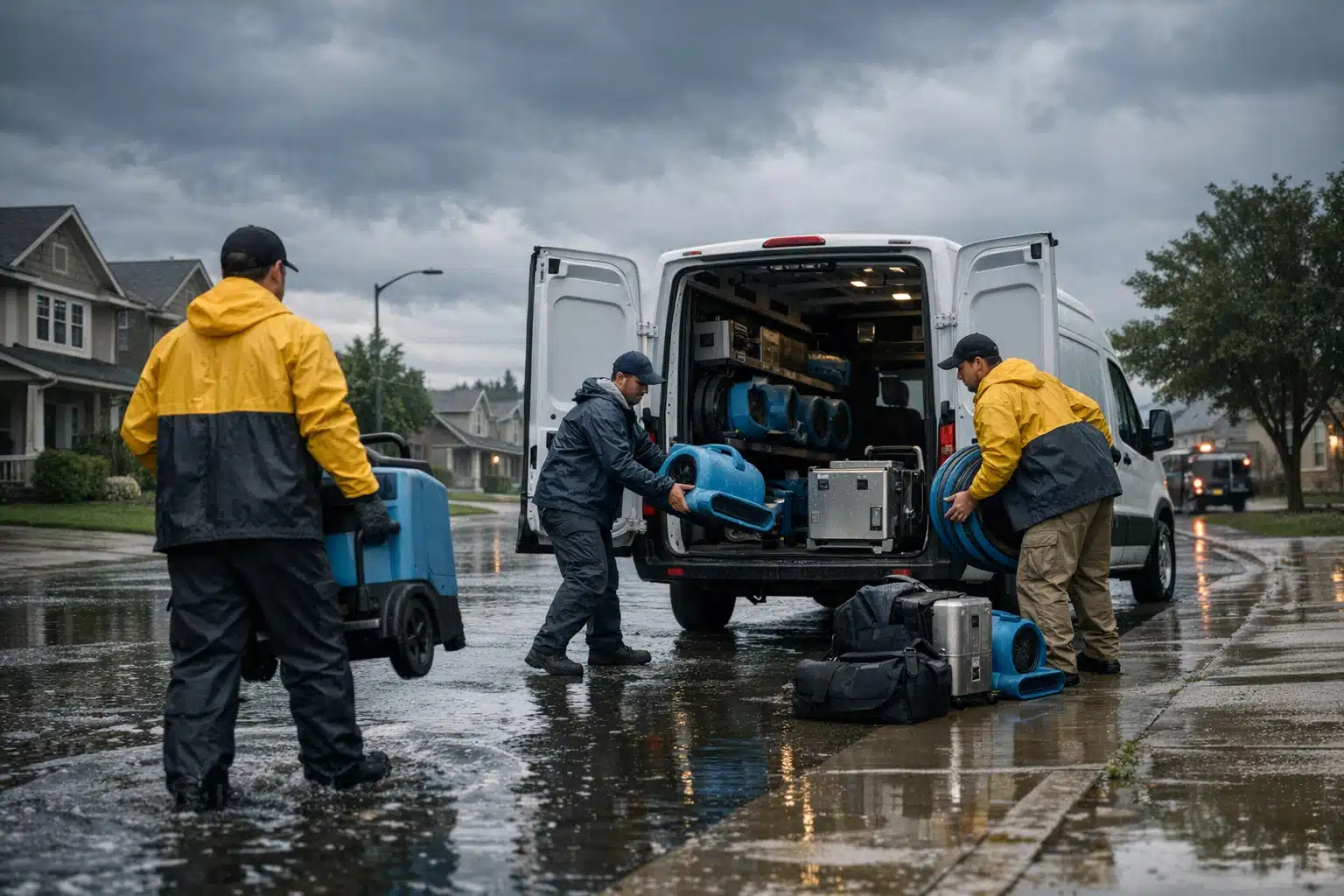
Summer water damage calls spike by 35% compared to spring months, yet most restoration companies run identical campaigns year-round. Heavy thunderstorms, flash flooding, and air conditioning failures create distinct lead patterns that require adapted marketing strategies.
Your seasonal marketing campaigns must account for summer-specific triggers. Homeowners search differently during storm season, insurance adjusters handle higher claim volumes, and emergency response expectations change.
This guide shows you how to build summer-focused campaigns that capture more leads when demand peaks.
Summer Water Damage Patterns That Drive Campaign Strategy
Summer water damage follows predictable patterns that smart marketers leverage. Storm-related searches surge 48 hours before severe weather hits your area, creating pre-disaster lead opportunities.
Air conditioning condensate problems peak during heat waves. Homeowners often ignore small leaks until systems fail completely during high-demand periods.
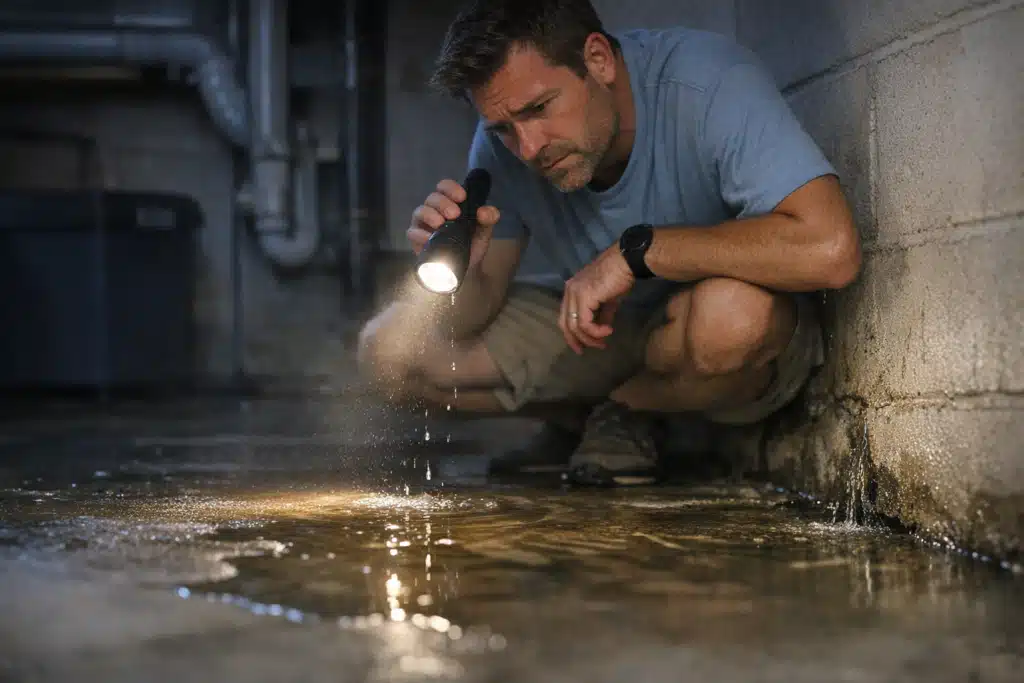
Basement flooding from summer storms generates immediate emergency calls. These leads convert at higher rates but require faster response times than gradual leak situations.
Peak Search Times for Summer Campaigns
Summer water damage searches follow distinct daily patterns. Emergency calls peak between 6 PM and 11 PM when storms typically hit.
Prevention-focused searches occur during business hours, especially Monday through Wednesday. Homeowners research solutions before weekend weather events.
Plan your ad scheduling and budget allocation around these patterns for maximum impact.
Building Seasonal Marketing Campaigns for Peak Summer Demand
Effective seasonal campaigns start with keyword research specific to summer water damage scenarios. Generic “water damage restoration” keywords miss the urgency and context that drive summer conversions.
Target storm-specific phrases like “emergency flood cleanup after storm” and “AC leak water damage repair.” These longer-tail keywords face less competition and attract more qualified leads.
Create separate campaign groups for each summer scenario: storm flooding, AC failures, and sump pump overwhelm. This allows precise message matching and budget control.
Campaign Structure That Converts Summer Leads
- Emergency Response Campaigns – Active during storm warnings and severe weather alerts
- Prevention Campaigns – Target homeowners preparing for storm season
- AC-Related Campaigns – Focus on cooling system water damage during peak heat
- Post-Storm Recovery – Capture leads in the 24-48 hours after major weather events
Each campaign requires different landing pages, ad copy, and response protocols to match searcher intent.
Google Ads Strategies for Summer Water Damage Leads
Summer Google Ads campaigns require dynamic budgeting based on weather patterns. Increase daily budgets by 200-300% during severe weather warnings to capture emergency demand spikes.
Use weather-triggered automated rules to boost bids when local storm alerts activate. This ensures your ads stay visible when competition intensifies.
Dayparting becomes critical during summer campaigns. Emergency searches peak during evening storms, while prevention searches happen during business hours.
Ad Copy That Captures Summer Urgency
Summer ad copy must address immediate needs and fast response times. “24/7 Storm Damage Response – Crews Dispatched in 30 Minutes” outperforms generic restoration messaging.
Include specific summer scenarios in headlines: “AC Leak Flooding Your Home?” or “Basement Flooded from Today’s Storm?” This relevance improves click-through rates significantly.
Add weather-specific callouts during active storms: “Storm Response Teams Ready” or “No Wait Emergency Dispatch.”
Local SEO Tactics for Summer Water Damage Visibility
Summer local SEO focuses on emergency-intent searches with immediate geographic needs. “Water damage restoration near me during storm” represents peak-value traffic.
Update your Google Business Profile with summer-specific posts about storm preparedness and emergency response capabilities. Post these updates 24-48 hours before predicted severe weather.
Create location-specific landing pages that mention recent local weather events and storm damage. “Helping [Your City] Recover from [Recent Storm Name]” content ranks well and builds local relevance.
Google Business Profile Optimization for Summer Emergencies
Add summer-specific services to your Google Business Profile: “Emergency Storm Response,” “AC Leak Cleanup,” and “Flash Flood Restoration.”
Update business hours to reflect 24/7 emergency availability during storm season. Many restoration companies miss leads by showing limited hours during weather emergencies.
Post photos of recent summer damage restoration projects. Before/after images of storm damage resonate with homeowners facing similar situations.
Landing Page Optimization for Summer Conversions
Summer landing pages must load quickly on mobile devices during high-stress situations. Emergency restoration landing pages should load in under 2 seconds to prevent lead abandonment.
Place contact forms above the fold with minimal required fields. Stressed homeowners abandon lengthy forms during emergencies.
Include prominent phone numbers with click-to-call functionality. Many summer leads come from mobile searches during active damage situations.
Content That Converts Summer Traffic
Address immediate concerns first: “We’re responding to storm calls now” or “AC leak crews available today.” Lead with availability and speed.
Include specific summer damage photos and case studies. Homeowners need to see you handle situations similar to theirs.
Add insurance information prominently. Summer storm damage often involves insurance claims, and homeowners want reassurance about coverage acceptance.
Measuring Summer Campaign Performance
Track conversion rates by weather conditions to optimize future seasonal campaigns. Emergency calls during active storms convert at different rates than prevention inquiries.
Monitor cost-per-lead fluctuations during weather events. Summer campaigns often see 40-60% higher costs during peak demand periods.
Analyze lead quality by traffic source. Storm-related organic traffic typically converts better than general water damage ad traffic.
Key Metrics for Summer Campaign Success
- Response time from click to call – Should average under 15 minutes during emergencies
- Conversion rate by weather condition – Track performance during various storm intensities
- Lead value by campaign type – Emergency calls typically generate higher project values
- Geographic performance – Some areas generate consistently higher summer lead volumes
Use this data to refine targeting and budget allocation for next summer’s campaigns.
Year-Round Preparation for Summer Marketing Success
Successful summer campaigns require preparation starting in early spring. Begin keyword research and landing page development 8-10 weeks before storm season peaks in your area.
Test emergency response workflows during smaller spring storms. Summer weather events aren’t the time to debug lead routing and response systems.
Build relationships with local meteorologists and weather services. Early storm warnings give you competitive advantages in campaign activation timing.
Start collecting summer-specific content during spring projects. Photos, testimonials, and case studies from early seasonal work strengthen summer campaigns.
Maximize Your Summer Water Damage Marketing ROI
Seasonal marketing campaigns deliver measurable results when built around actual summer water damage patterns. Emergency response timing, weather-triggered bidding, and mobile-optimized conversion paths create competitive advantages.
The restoration companies that capture the most summer leads start preparing months in advance. They understand that summer water damage marketing requires different strategies than year-round approaches.
Ready to build seasonal marketing campaigns that generate more summer leads? Contact The Restoration Marketers at 123-456-7890 to develop weather-responsive campaigns that convert when demand peaks.
Sources
- National Oceanic and Atmospheric Administration – Severe Weather Information
- Insurance Information Institute – Homeowners Insurance Facts and Statistics
- Ready.gov – Flood Preparedness and Response