

Why Most Restoration Companies Miss Out on 40% of Their Local Lead Potential
Insurance claims only account for 60% of water damage and fire restoration leads in most markets. The remaining 40% comes from direct property owner contacts, emergency referrals, and local business partnerships. Most restoration companies chase every insurance adjuster relationship but ignore the contractors, property managers, and emergency responders right next door.
A strong local partnerships strategy creates steady referral streams that don’t depend on storm seasons or insurance claim fluctuations. When done correctly, these relationships generate leads at $45-65 per acquisition compared to $120-180 for paid search campaigns.
Building these partnerships requires more than handing out business cards at chamber meetings. Your restoration business needs systematic outreach, mutual value creation, and consistent follow-up to turn local connections into reliable lead sources.
Identifying High-Value Local Partnership Opportunities
The best restoration partnerships come from businesses that encounter water damage, fire damage, or mold issues before property owners call you directly. These partners become your early warning system and referral engine.
Primary Target Partners for Restoration Companies
Property management companies handle multiple properties and see damage issues across their portfolio. A single property manager overseeing 150 rental units might need restoration work 8-12 times per year. They value fast response times and detailed documentation for insurance claims.
General contractors and remodeling companies discover hidden water damage, mold, and fire damage during renovation projects. They need restoration partners who won’t delay their project timelines and can coordinate with their existing work schedules.
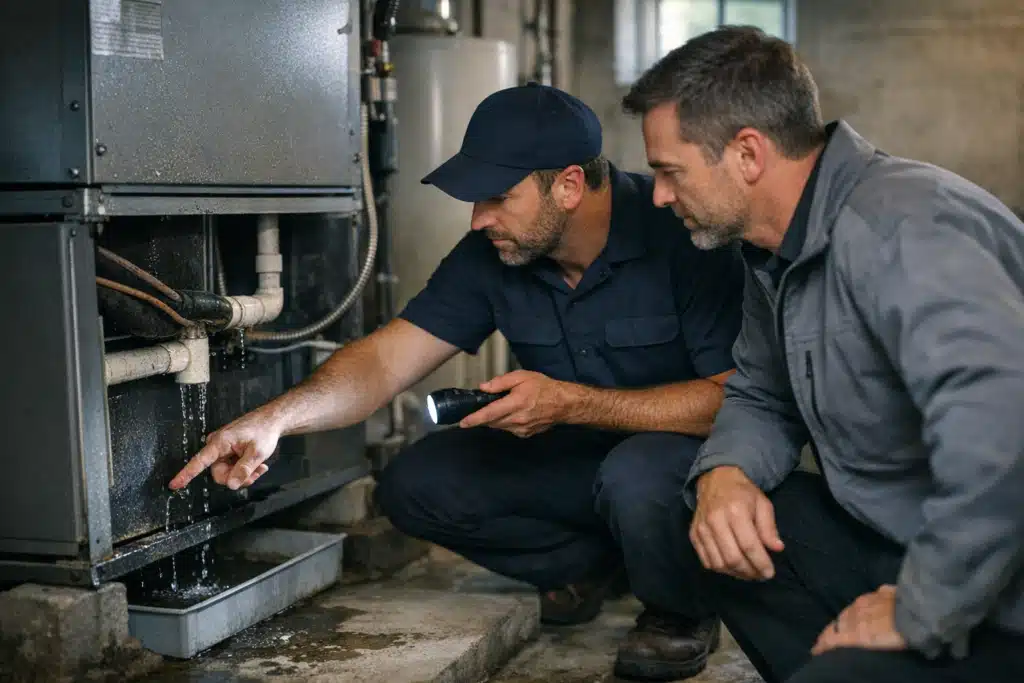
HVAC technicians find water leaks, condensation issues, and mold problems during routine maintenance calls. A busy HVAC company with 200+ service calls per month becomes a consistent referral source when they trust your response time.
Emergency Response Partnerships
Local fire departments often provide property owner recommendations after fire incidents. Building relationships with fire chiefs and department leadership creates referral opportunities for both fire and smoke damage restoration work.
Plumbing companies handle burst pipes, water heater failures, and sewer backups that require immediate restoration work. Emergency plumbers working nights and weekends need restoration partners who match their availability.
Public adjusters and independent insurance agents work directly with property owners filing claims. They recommend restoration companies that make their job easier with thorough documentation and clear communication.
Creating Mutually Beneficial Partnership Agreements
Successful restoration partnerships work both ways. You need to provide value to your partners beyond just receiving referrals from them.
Value Exchange Models That Work
Reciprocal referrals mean you send appropriate work back to your partners. When you discover electrical issues during water damage restoration, you refer that work to your electrician partners. When you find structural problems, you connect property owners with your contractor network.
Emergency coordination makes your partners look better to their customers. If an HVAC company calls you about water damage from a burst pipe, you arrive within 90 minutes and start mitigation immediately. This fast response reflects well on the HVAC company that made the referral.
Shared marketing opportunities expand both businesses’ reach. You can co-sponsor local safety seminars for property managers, create educational content about preventing water damage, or share booth space at trade shows.
Partnership Agreement Essentials
Document your partnership terms to avoid misunderstandings later. Include referral fee structures, response time commitments, and communication protocols.
- Response time guarantees: Promise to respond to partner referrals within 90 minutes during business hours, 2 hours after hours
- Referral tracking: Use unique phone numbers or referral codes to track leads from each partner accurately
- Payment terms: Specify when referral fees get paid (after job completion, after payment collection, etc.)
- Territory agreements: Define geographic coverage areas to avoid conflicts with other restoration companies
- Quality standards: Outline certification requirements, insurance coverage levels, and customer service expectations
Building Your Local Partnerships Strategy Step-by-Step
A systematic approach to partnership development generates consistent results. Random networking events and sporadic outreach waste time and resources.
Phase 1: Research and Prioritization
Map your local market to identify the highest-value partnership opportunities. Start with businesses that handle 50+ properties or service calls per month. These volume partners generate more referrals than smaller operations.
Create a target list of 25-30 potential partners ranked by referral potential. Focus on companies that serve the same geographic area as your restoration business but don’t compete directly with your work.
Research each potential partner’s current vendor relationships. Some property management companies have exclusive restoration contracts that make partnership impossible. Others use multiple vendors and welcome new reliable partners.
Phase 2: Initial Outreach and Relationship Building
Lead with value, not with your needs. Your first contact should offer something useful: emergency contact information, educational resources about damage prevention, or insights about insurance claim processes.
Schedule brief 15-minute introduction meetings focused on learning about their business challenges. Ask about their current restoration vendor relationships, response time expectations, and documentation requirements.
Follow up within 48 hours with relevant resources or connections. If a property manager mentions problems with tenant water damage education, send them a template letter about leak prevention. These small gestures build trust over time.
Phase 3: Partnership Activation and Testing
Start with trial projects before committing to exclusive partnerships. Handle 2-3 referrals from each partner to test your working relationship and service compatibility.
Document your performance metrics for each test project: response time, customer satisfaction scores, and partner feedback. Use this data to refine your partnership approach and demonstrate your value.
Implement systems to track referrals from each partner. Use dedicated phone numbers, referral codes, or CRM tags to measure partnership ROI accurately.
Maintaining and Growing Partnership Relationships
Partnership maintenance requires ongoing effort. The restoration companies with the strongest referral networks invest time in relationship building every month.
Regular Communication Strategies
Monthly partner updates keep you visible without being pushy. Share brief updates about completed projects, new certifications, or industry insights that affect their business.
Quarterly face-to-face meetings strengthen relationships and identify new opportunities. These meetings work best when scheduled around their needs, not yours. Meet them at their office or job sites when convenient for their schedule.
Annual partnership reviews evaluate mutual performance and adjust agreements as needed. Track referral volume, response times, and customer satisfaction scores to demonstrate your partnership value.
Partnership Growth Tactics
Expand successful partnerships by increasing your value to existing partners. Offer priority scheduling, extended warranties, or additional capabilities like contents cleaning and pack-out work.
Introduce your best partners to each other when appropriate. A property manager dealing with recurring HVAC issues might appreciate meeting your reliable HVAC partner. These introductions strengthen your network and position you as a valuable connector.
Develop co-marketing opportunities that benefit both businesses. Create educational seminars for property owners about damage prevention, co-sponsor local trade association events, or collaborate on content marketing projects.
Measuring Partnership Performance and ROI
Track partnership results with the same rigor you apply to paid advertising campaigns. Partnerships that don’t generate positive ROI drain resources from more productive marketing activities.
Key Partnership Metrics
Lead volume per partner shows which relationships generate the most opportunities. Partners referring fewer than 2 jobs per quarter might need relationship strengthening or replacement.
Lead quality scores measure how partnership referrals convert compared to other lead sources. Track close rates, average job values, and customer satisfaction scores from partnership leads.
Cost per acquisition from partnerships includes referral fees, relationship maintenance time, and partnership development costs. Compare these figures to your paid advertising and other marketing channel costs.
Partnership Optimization Strategies
Double down on your most productive partnerships. Offer better terms, faster response times, or additional capabilities to partners who consistently send high-quality referrals.
Address underperforming partnerships directly. Schedule review meetings to understand why referral volume is low and what changes might improve the relationship.
Test partnership incentives carefully. Higher referral fees don’t always generate more referrals, but improved service quality and response times consistently do.
Your Local Partnership Strategy Starts Now
Building a strong local partnerships strategy takes 6-12 months to show significant results, but the referral leads you generate will reduce your dependence on expensive paid advertising. Start with 5-7 high-value potential partners and focus on creating genuine mutual value.
The restoration companies with the most stable lead flow combine partnerships with targeted digital marketing campaigns. The Restoration Marketers helps restoration businesses build both partnership strategies and digital lead generation systems that work together.
Contact The Restoration Marketers at 123-456-7890 to develop a complete marketing strategy that includes local partnerships, search engine optimization, and paid advertising campaigns designed specifically for restoration companies.
Sources
- Small Business Administration – Strategic Partnerships Guide
- Institute of Inspection, Cleaning and Restoration Certification – Industry Standards
- U.S. Census Bureau – Statistics of U.S. Businesses