

Restoration lead volume swings hard between May and September. Storm damage, basement flooding, and mold calls spike right as your competitors go quiet on content. A well-built summer content calendar lets your restoration company capture that demand instead of scrambling for it.
Most owners plan marketing week to week. Summer punishes that habit because weather events cluster and buying intent moves fast. This post shows you what to publish, when to publish it, and how to tie each piece to real lead sources.
You will learn a month-by-month plan, the content types that pull emergency calls, and how to measure results without guesswork.
Why a Summer Content Calendar Matters for a Restoration Business
A summer content calendar is a scheduled plan of blog posts, service pages, and social content mapped to seasonal demand patterns. For a restoration business, that means publishing before storms hit, not after.
Restoration marketing differs from general home services. A roofer can plan content around steady demand. Your leads arrive in bursts tied to hail, humidity, and hurricane forecasts.
Publishing ahead of the spike is the entire point. Google needs weeks to index and rank a page. If you write a “storm damage cleanup” post the day a storm hits, you missed the window.
The Timing Problem Most Owners Get Wrong
A page targeting “basement flooding repair” needs to exist in April to rank by June. Freshness signals and backlinks build over time.
Plan your June content in April. Plan your August content in June. Stay one season ahead of the weather.
Month-by-Month Content Themes for Summer
Each summer month brings different restoration triggers. Match your topics to what homeowners search during that stretch.
May: Storm Prep and Rising Groundwater
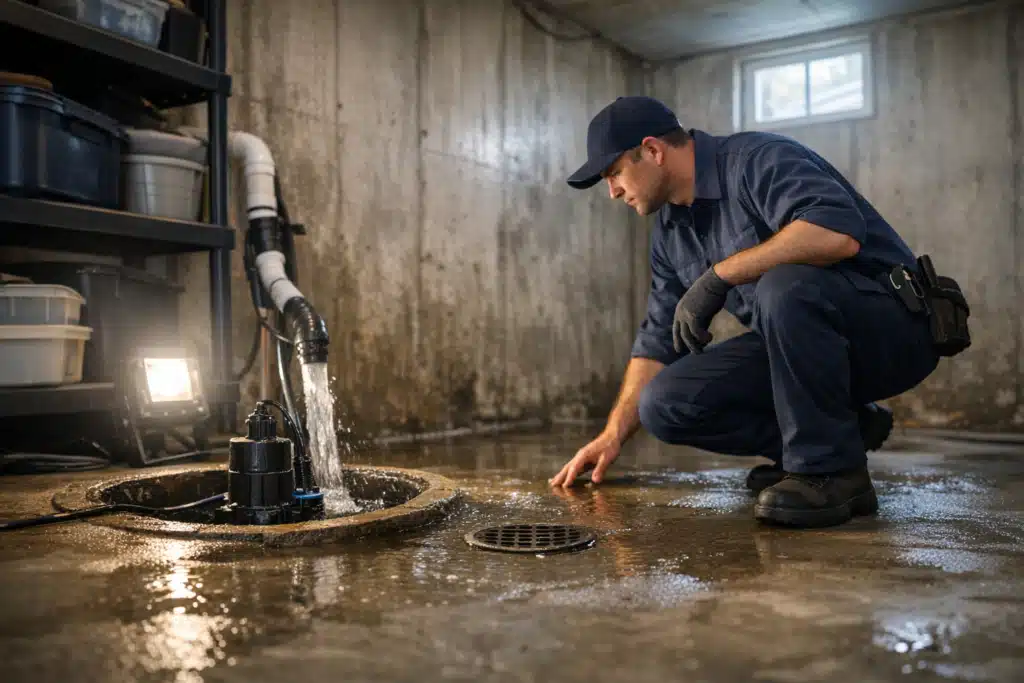
Late spring rain saturates soil and floods basements. Search interest in sump pumps and water intrusion climbs.
- “How to prevent basement flooding before summer storms”
- “Signs your sump pump will fail this season”
- A checklist post homeowners can save and share
June: Peak Water Damage and Humidity
June combines heavy rain with rising humidity. Mold conversations start now because damp materials sit longer.
- “What to do in the first 24 hours after water damage”
- “Why summer humidity causes hidden mold growth”
- Customer story showing a fast response and dry-out timeline
July: Storm Season and Insurance Questions
July brings severe thunderstorms across most regions. Homeowners search insurance and claims language heavily.
- “Does homeowners insurance cover storm water damage?”
- “How to document damage before filing a claim”
- A post explaining your direct insurance billing options
August: Mold, Air Quality, and Hurricane Watch
Coastal regions enter hurricane season. Inland regions face peak mold complaints from months of humidity.
- “Warning signs of mold behind walls and under floors”
- “Hurricane preparation checklist for homeowners”
- “How mold remediation actually works, room by room”
Anchor every month to a specific trigger, not a generic calendar holiday. Restoration buyers act on damage, not seasons.
Content Types That Generate Restoration Leads
Not every post pulls its weight. Some pieces rank and convert. Others sit unread.
Rank your summer topics against these formats, from highest lead value to lowest.
- Emergency service pages. Target “water damage restoration [city]” and similar high-intent terms. These convert callers, not readers.
- Insurance and claims explainers. Anxious homeowners search these before calling. Answering builds trust fast.
- Before-and-after case studies. Show a real job with photos, timeline, and result. Proof beats promises.
- Prevention checklists. Rank early, earn shares, and keep your name visible before disaster strikes.
- FAQ posts. Capture long-tail questions and feed AI search answers.
Optimizing Emergency Pages for Fast Calls
A summer emergency page must load in under three seconds. Slow pages lose panicked mobile visitors.
Put your phone number at the top and repeat it every screen length. Add a click-to-call button that works on the first tap.
State your response time as a specific number. “On-site within 60 minutes” beats “fast response” every time.
How to Map Content to Lead Sources
A summer content calendar fails if you cannot tell what worked. Track each piece back to a lead source.
Set up these tracking basics before your first post goes live.
- Use a dedicated call-tracking number on emergency landing pages
- Tag blog traffic in Google Analytics 4 by landing page
- Add a “How did you hear about us?” field to your contact form
- Review Google Business Profile call and direction clicks weekly
After 30 days, cut topics that produced zero leads. Double down on the ones that produced calls.
An Example Worth Copying
One restoration company published a July claims post targeting a mid-size metro. It ranked third for “storm damage insurance claim help” within six weeks.
That single page produced eleven form submissions during peak storm week. The lesson: intent-matched content beats volume every time.
Building the Calendar in Practice
Keep the plan simple enough to follow during your busiest weeks. A spreadsheet with five columns works fine.
- Publish date — set it one season ahead of demand
- Topic and target keyword — one per row
- Content type — service page, blog, or case study
- Primary channel — website, Google Business Profile, or social
- Lead source tag — how you will measure it
Aim for one strong blog post per week and one service-page update per month. Consistency matters more than volume.
Repurpose Every Piece Three Ways
One blog post can become a Google Business Profile update, a social graphic, and an email tip. That stretches limited time across channels.
Write once, distribute three times. Restoration owners rarely have hours to spare, and repurposing respects that.
Handling Reputation During High-Volume Months
Summer volume brings more reviews, good and bad. A rushed job or delayed callback can trigger a one-star post.
Build review requests into your summer calendar as scheduled tasks. Ask every satisfied customer within 24 hours of job completion.
Respond to negative reviews within one business day. A calm, specific reply protects future leads reading your profile.
Conclusion
A summer content calendar works when you publish ahead of storms, match topics to real damage triggers, and track every lead back to its source. Restoration marketing rewards timing and proof, not volume for its own sake. Plan one season ahead and your pipeline stays full when competitors go quiet.
The Restoration Marketers builds seasonal content and local SEO plans for restoration companies that want steadier lead flow. Call or text 720‑885‑0749, or visit https://restorationmarketers.com to get started.
Sources
- NOAA – Severe Weather Resource Collection
- U.S. EPA – Mold and Health
- Google Search Central – Google Business Profile Guidelines
- Ready.gov – Hurricane Preparedness