
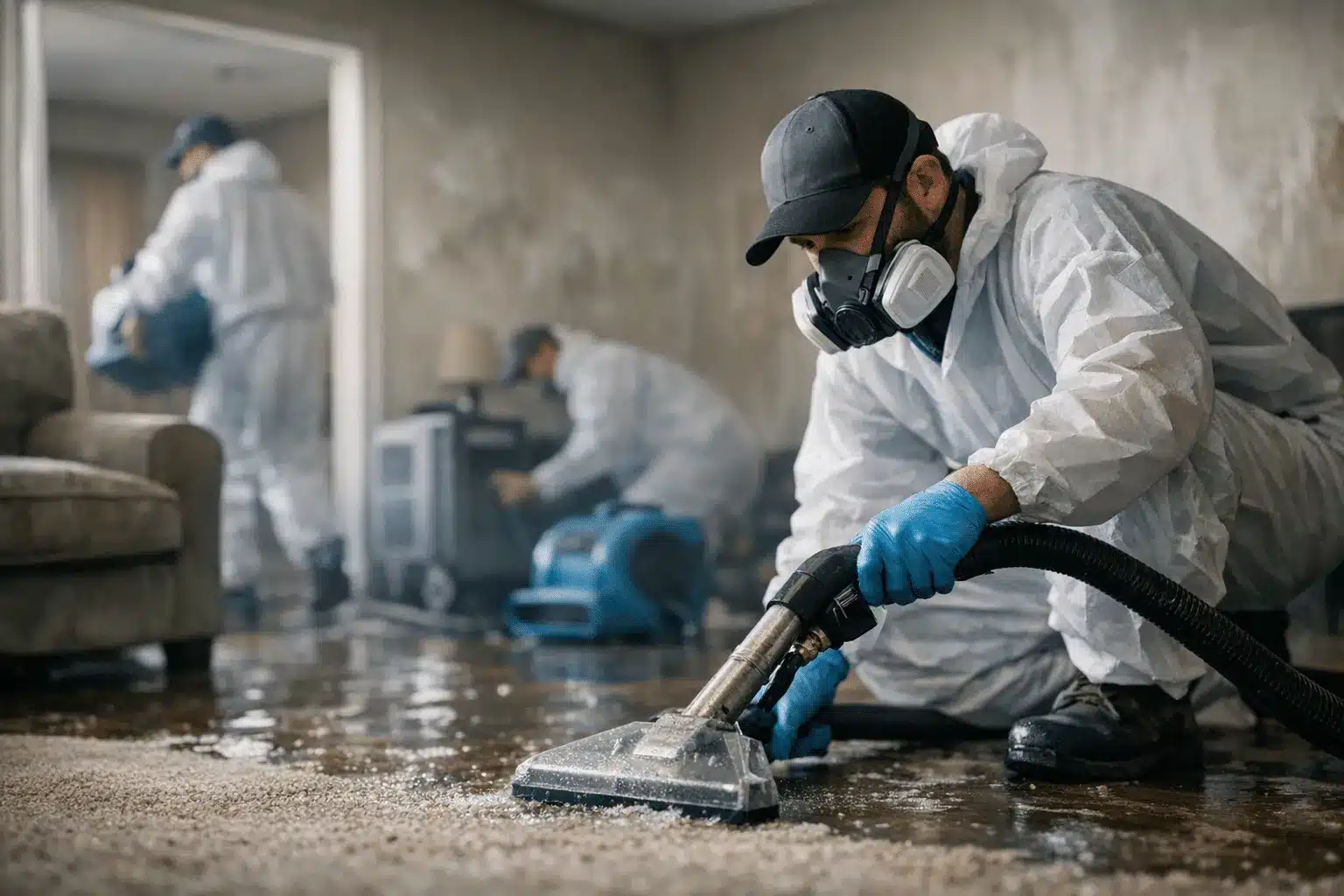
The Critical Hours After Completing a Restoration Job
Water damage strikes at 3 AM. Fire devastates a family home during dinner. Mold discovery turns a simple inspection into an emergency remediation project.
These scenarios create the perfect storm for online reviews. Stressed homeowners often turn to Google to share their experience before the dust settles. How you manage Google reviews in these critical moments determines whether your restoration company builds lasting trust or suffers reputation damage.
The restoration industry faces unique review challenges. Unlike other home services, you meet customers during their worst moments. Your team’s response to both the emergency and subsequent online feedback shapes your business’s digital reputation for years to come.
Why Post-Disaster Review Management Matters for Restoration Companies
Restoration customers experience heightened emotions. They’re dealing with insurance claims, temporary housing, and significant financial stress. This emotional state directly impacts how they write reviews.

Positive reviews from disaster recovery create powerful social proof. Future customers facing similar emergencies want reassurance that your team handles crises with expertise and compassion. These detailed, emotional testimonials convert better than generic home service reviews.
However, negative reviews in the restoration space can be devastating. One angry homeowner’s detailed complaint about water damage cleanup gone wrong can cost you dozens of future emergency calls.
The 72-Hour Window
Most restoration customers leave reviews within 72 hours of project completion. This narrow timeframe requires immediate action from your team.
During these three days, customers process their entire experience. They remember how quickly you responded to their emergency call. They evaluate whether your team respected their damaged property. They consider if your communication helped or added stress during an already difficult time.
Setting Up Your Review Management System Before Disaster Strikes
Smart restoration companies prepare their review strategy before emergencies happen. When your team is focused on water extraction or fire cleanup, review management becomes an afterthought.
Create a standard review request process that activates automatically after job completion. This system should work whether your crew finishes at 2 PM or 2 AM.
Essential Tools for Restoration Review Management
- Automated text messaging system – Send review requests within 24 hours of project completion
- Google Business Profile monitoring – Set up alerts for new reviews across all your service locations
- Review response templates – Pre-written responses for common restoration scenarios (water damage, fire cleanup, mold remediation)
- Customer feedback surveys – Identify potential negative reviews before they go public
Training Your Restoration Crew
Your technicians play a crucial role in future reviews. Train them to recognize moments that influence customer satisfaction during disaster response.
Teach crews to explain each step of the restoration process. Confused customers often become frustrated customers. Frustrated customers write negative reviews.
Simple communication prevents most review problems. “We’re setting up dehumidifiers to prevent mold growth” sounds much better than mysterious equipment appearing without explanation.
How to Manage Google Reviews During Active Restoration Projects
Large restoration projects span days or weeks. During this extended timeline, you have multiple opportunities to shape the customer experience and future review content.
Daily check-ins prevent small issues from becoming review disasters. A homeowner frustrated about dust protection on day three won’t mention it in reviews if your project manager addresses it immediately.
Proactive Communication Strategies
Send daily progress updates via text or email. Include photos showing completed work and next steps. This documentation serves two purposes: it keeps customers informed and provides evidence if disputes arise later.
Address concerns immediately when they surface. Don’t wait until the final walkthrough to discuss problems customers noticed mid-project.
Set clear expectations about timeline, noise, and disruption. Customers write negative reviews when reality doesn’t match their expectations, not necessarily when problems occur.
The Final Walkthrough Strategy
Your final walkthrough determines review outcomes more than any other single moment. Plan this conversation carefully.
Start with positive highlights: “We removed all water damage and prevented mold growth in your basement.” Lead with successful outcomes before discussing final details.
Ask directly about their experience: “How did our team handle your emergency?” This question often reveals concerns you can address before they become public reviews.
Responding to Reviews After Disaster Restoration Work
Every review response becomes part of your online reputation for restoration services. Future customers read these responses to evaluate how your company handles both praise and criticism.
Restoration review responses require different approaches than typical home service replies. Your responses should acknowledge the emotional stress customers experienced while highlighting your team’s expertise.
Responding to Positive Restoration Reviews
Thank customers for trusting your team during their emergency. Mention specific services you provided: “We’re glad our 24/7 water damage response helped restore your home quickly.”
Reference your team members by name when appropriate. This personal touch shows you value your employees and creates accountability.
Include subtle keywords that help your Google Business Profile ranking: “Thank you for choosing our fire damage restoration services.”
Addressing Negative Reviews in Restoration
Respond within 24 hours to all negative restoration reviews. Quick responses demonstrate that customer service matters to your company.
Acknowledge the stress they experienced: “We understand how disruptive water damage can be for your family.” This empathy often defuses angry customers.
Offer to discuss details privately: “Please call us at [your phone] so we can review your concerns directly.” Public arguments never improve your reputation.
Focus on your commitment to quality restoration work rather than defending specific decisions. Future customers care more about your standards than individual project details.
Sample Response Templates for Common Scenarios
Water damage response: “Thank you for trusting our team with your water damage emergency. We’re pleased our rapid response prevented additional damage to your property. Your recommendation means everything to our local restoration business.”
Mold remediation response: “We appreciate your patience during the mold remediation process. These projects require careful attention to safety protocols, and we’re glad you felt comfortable with our team’s work.”
Insurance claim assistance response: “Navigating insurance claims after property damage creates stress for every homeowner. We’re happy our team could help streamline that process while restoring your home.”
Building Long-Term Trust Through Consistent Review Management
Managing Google reviews becomes easier as you develop systems and refine your customer service approach. Track patterns in your reviews to identify recurring issues.
If multiple customers mention communication problems, train your crew on better progress updates. If timeline concerns appear frequently, adjust how you set project expectations.
Use review feedback to improve your restoration processes continuously. Customer complaints often reveal operational problems you hadn’t noticed internally.
Measuring Your Online Reputation Success
Track these metrics monthly to evaluate your review management effectiveness:
- Average star rating across all Google Business Profile locations
- Total number of reviews received per month
- Response rate to review requests
- Time between negative reviews and your responses
- Percentage of negative reviews that result in follow-up contact
Strong restoration companies maintain 4.5+ star ratings with consistent monthly review growth. This combination signals to Google and potential customers that your business delivers reliable emergency services.
The Competitive Advantage of Excellent Review Management
Most restoration companies ignore online reputation management until crisis hits. By implementing systematic review management, you gain significant competitive advantages.
Property managers and insurance adjusters often check Google reviews before referring restoration work. Consistent 5-star ratings and professional responses to concerns build referral relationships.
Homeowners facing disasters want immediate reassurance that they’re hiring competent help. Strong online reviews provide that confidence when customers can’t wait for multiple estimates.
Your review management efforts compound over time. Each positive review makes the next customer more likely to choose your restoration services. Each professional response to criticism demonstrates your commitment to customer satisfaction.
Taking Action on Your Restoration Review Strategy
Effective review management starts with systems that work during actual emergencies. Build your processes now, before the next disaster strikes your service area.
Focus on preventing negative reviews through excellent communication rather than just responding after problems surface. Most review issues stem from unmet expectations, not poor restoration work.
Your online reputation directly impacts your restoration company’s growth and profitability. Invest in review management with the same priority you give equipment maintenance and crew training. The Restoration Marketers specializes in helping disaster restoration companies build stronger online reputations that generate more emergency calls. Contact us at 123-456-7890 to develop your customized review management strategy.
Sources
- U.S. Bureau of Labor Statistics – Construction and Extraction Occupations
- Google Business Profile Help – Respond to Customer Reviews
- Institute of Inspection, Cleaning and Restoration Certification – Industry Standards