
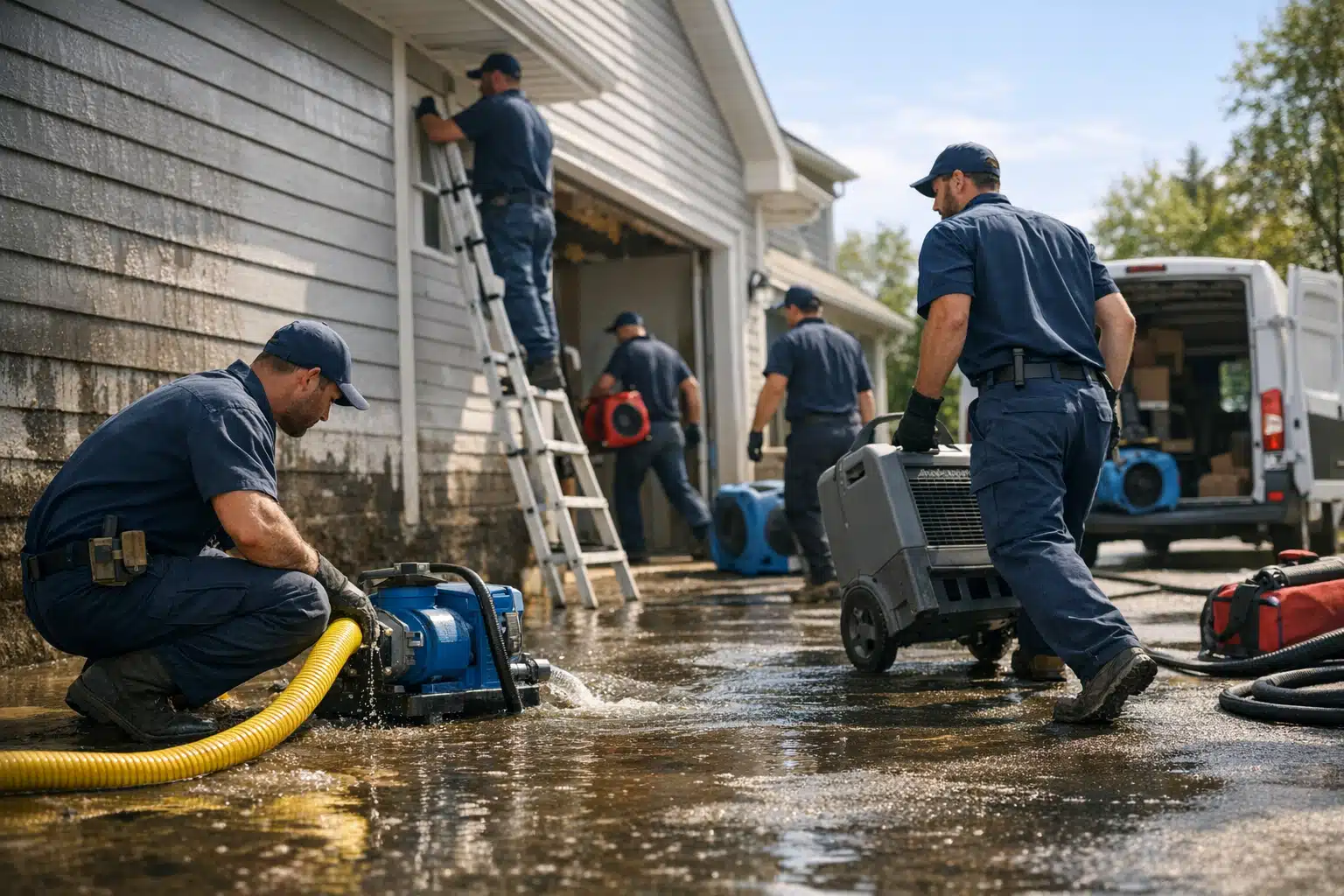
Why Restoration Companies Lose Money on Poorly Timed Ad Spending
Most restoration companies blow 40% of their annual marketing budget during the wrong seasons. They spend heavily on Google Ads during slow winter months while missing the spring storm season that drives 60% of their annual revenue.
Budget management for restoration companies requires tracking weather patterns, insurance claim cycles, and emergency demand spikes. Unlike general contractors who see steady year-round demand, restoration work follows natural disaster cycles that vary dramatically by region.
This guide shows you how to allocate ad spend across seasons, track performance by weather events, and maximize lead generation when demand peaks.
Understanding Seasonal Demand Patterns in Restoration Marketing
Water damage restoration peaks during different months depending on your location. Florida companies see hurricane season from June through November, while northern states face burst pipe emergencies from December through March.

Fire damage restoration follows wildfire seasons and heating system failures. California companies prepare for October through December wildfire peaks, while northeastern firms track heating system breakdowns in January and February.
Mold remediation requests surge 90 days after major water events. Plan your mold-focused campaigns to launch three months after hurricane, flood, or major storm seasons in your area.
Regional Demand Mapping
Track these seasonal patterns for your specific market:
- Southeast: Hurricane season (June-November), winter freeze damage (December-February)
- Northeast: Ice dam damage (January-March), summer storm damage (June-August)
- Midwest: Tornado season (April-June), flooding (March-May), winter pipe bursts (December-February)
- West Coast: Wildfire season (September-December), winter flooding (December-March)
- Southwest: Monsoon season (July-September), wildfire season (April-July)
Setting Seasonal Ad Budgets Based on Historical Demand
Allocate 60-70% of your annual ad budget during your peak season months. If spring storms drive most of your business, spend heavily from March through June rather than spreading budget evenly across twelve months.
Calculate your seasonal allocation using last year’s revenue data. Identify which three months generated the most emergency calls, then assign 45% of your budget to those months and 25% to the shoulder months before and after.
Reserve 15% of your annual budget for emergency response campaigns during unexpected events. Keep this emergency fund ready for major storms, fires, or flooding that create immediate lead generation opportunities.
Monthly Budget Allocation Formula
- Review last 24 months of revenue by month
- Identify your top 3 revenue months
- Assign 15% of annual budget to each peak month
- Allocate 8-10% to shoulder months (before and after peaks)
- Set 3-5% for maintenance months
- Hold 15% in reserve for emergency campaigns
Emergency Response Budget Strategies
Major weather events create 48-72 hour windows where lead costs drop by 60% and conversion rates triple. Companies that can scale ad spend immediately during these events capture market share from slower competitors.
Set up automated rules in Google Ads to increase daily budgets by 300-500% when weather alerts trigger in your service area. Link these triggers to National Weather Service alerts for your specific counties.
Prepare emergency landing pages before storm season starts. Create separate pages for hurricane cleanup, flood restoration, and fire damage that you can activate within hours of an emergency declaration.
Emergency Campaign Activation Checklist
- Pre-written ad copy for storm, fire, and flood scenarios
- Emergency landing pages with local phone numbers
- Staff schedules for 24/7 phone coverage during events
- Automated budget increase rules tied to weather alerts
- Social media templates for immediate posting
Tracking Performance Across Seasonal Campaigns
Monitor cost-per-lead monthly rather than daily during peak seasons. Emergency restoration leads cost $45-85 during normal periods but can drop to $15-25 immediately after major storms when demand spikes.
Track leads by weather event, not just by month. Tag campaigns with specific storm names, flood events, or fire incidents to identify which types of emergencies generate the highest-value customers.
Measure revenue per lead over 90 days, not just immediate conversions. Storm damage leads often generate additional mold remediation work 2-3 months later, doubling the lifetime value of emergency customers.
Key Seasonal Performance Metrics
- Cost per emergency lead during weather events
- Response time from lead to first contact
- Conversion rate by storm/disaster type
- Average job value by season
- 90-day customer lifetime value
- Insurance vs. direct-pay lead ratios
Adjusting Budgets Mid-Season Based on Weather Forecasts
Use long-range weather forecasts to adjust monthly budgets before demand spikes hit. NOAA seasonal outlooks predict above-normal hurricane activity, drought conditions, or severe winter weather 3-6 months in advance.
Shift budget from slow-forecast months to high-activity periods. If meteorologists predict an active hurricane season, move 20-30% of your winter budget into summer and fall campaigns.
Partner with local meteorologists or weather services that provide restoration industry forecasts. Some companies pay $200-500 monthly for specialized weather intelligence that helps predict restoration demand spikes.
Weather-Based Budget Adjustments
Make these moves when forecasts change:
- Active hurricane forecast: Increase summer/fall budgets by 40%
- Severe winter prediction: Boost December-February spending by 50%
- Drought conditions: Reduce water damage budgets, increase fire restoration spend
- Above-normal precipitation: Prepare flood and mold campaigns early
Local Competition and Market Timing
Monitor when competitors launch seasonal campaigns in your market. Many restoration companies start hurricane prep advertising too late, missing the early-season storms that catch property owners unprepared.
Begin seasonal campaigns 30-45 days before your target weather season starts. Early positioning captures planning-minded property managers and insurance professionals who refer work.
Track competitor ad spend using tools like SEMrush or SpyFu to identify when they pull back budgets. Increase your spend when competitors reduce theirs, especially during transition months between seasons.
Competitive Intelligence Tactics
- Set Google Alerts for competitor company names + emergency terms
- Monitor their Google Ads frequency during different seasons
- Track their Google Business Profile posting patterns
- Note when they hire seasonal staff (indicates budget allocation)
- Follow their social media campaign timing
Technology and Tools for Seasonal Budget Management
Use Google Ads scripts to automatically adjust daily budgets based on weather alerts for your service areas. These scripts can increase spending by preset percentages when emergency conditions trigger.
CallRail or similar call tracking services help you measure which seasonal campaigns drive actual phone calls versus just website traffic. Emergency restoration customers call immediately rather than filling out forms.
Connect your CRM to weather APIs that tag leads with current weather conditions. This data helps you identify which types of weather events generate the most profitable restoration jobs.
Essential Budget Management Tools
- Google Ads scripts: Automated budget adjustments based on weather triggers
- CallRail: Track phone leads by campaign and weather event
- NOAA Weather API: Integrate weather data with lead tracking
- SEMrush: Monitor competitor seasonal ad spend
- Google Analytics 4: Track revenue by traffic source and season
Maximizing ROI During Peak and Off-Peak Periods
During peak seasons, focus ad spend on emergency keywords with high commercial intent. Target phrases like “emergency water removal” and “24/7 fire damage cleanup” when demand surges.
Use off-peak periods for brand building and insurance relationship development. Lower-cost months are perfect for content marketing, review generation, and networking with insurance adjusters.
Shift from emergency response ads to prevention and maintenance messaging during slow seasons. Target property managers with mold prevention services and HVAC cleaning when emergency demand drops.
Peak Season Optimization
- Bid aggressively on emergency keywords
- Extend ad schedules to 24/7 coverage
- Use location-based bid adjustments for storm-affected areas
- Create storm-specific landing pages
- Focus on mobile-optimized ads for emergency searches
Off-Peak Season Strategy
- Build insurance adjuster email lists
- Create educational content about prevention
- Generate reviews from recent customers
- Develop partnerships with property management companies
- Optimize website technical SEO during slower periods
Smart seasonal budget management separates profitable restoration companies from those struggling with cash flow gaps. Track weather patterns, prepare for emergency demand spikes, and allocate spending based on historical performance data.
The most successful restoration companies spend 70% of their marketing budget during their region’s peak disaster seasons. They keep emergency funds ready for unexpected events and use slow periods to build relationships and brand awareness.
Ready to optimize your restoration marketing budget for maximum seasonal ROI? The Restoration Marketers specializes in weather-based campaign strategies and emergency response marketing for disaster restoration companies. Contact us at 123-456-7890 to develop your seasonal budget allocation strategy.
Sources
- National Oceanic and Atmospheric Administration – Weather Forecasts
- FEMA – Disaster Declarations and Emergency Response
- U.S. Census Bureau – Construction and Housing Statistics