
Restoration companies lose money every time a homeowner cancels an emergency inspection at the last minute. A missed appointment burns fuel, crew hours, and a slot another flooded basement could have filled. One page on your site fixes much of this: a clear restoration inspection what to expect page that tells homeowners exactly what happens before your crew pulls up.
This post shows you how to build that page, what to put on it, and how it lowers cancellations during storm surges. You get a copy-ready homeowner checklist and a page structure that shortens on-site time.
Setting expectations early is one of the cheapest ways to protect your booked calendar and your reputation.
Why a “What to Expect” Page Reduces Cancellation for Emergency Restoration
Homeowners cancel when they feel uncertain. After a pipe burst or storm flood, panic sets in and people second-guess who they called. A page that explains your arrival timeline and what happens next removes that doubt.
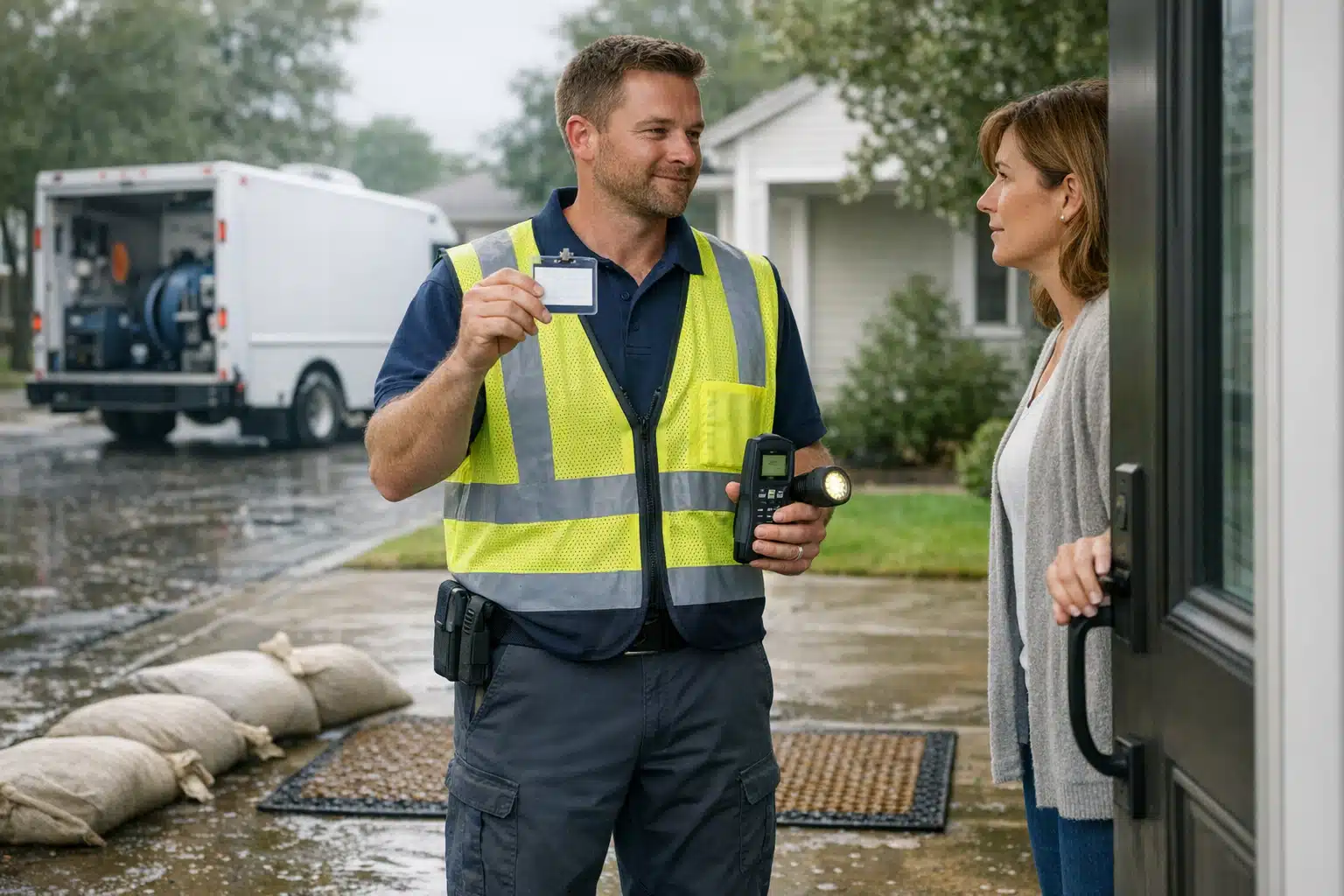
Clarity is the fastest way to reduce cancellation emergency restoration jobs suffer during peak season. When a homeowner knows a technician arrives in 60 to 90 minutes with ID and a moisture meter, they stop calling three other companies.
Restoration marketing differs from general home services here. A roofer’s lead can wait a week. A water damage lead decays by the hour, and every hour of silence invites a competitor to swoop in.
The Real Cost of a No-Show During Storm Season
Picture a hail week where your phones ring 40 times a day. Your crews are stretched, and two morning inspections vanish with no answer. Each empty slot is roughly $150 in labor and truck cost, plus a lost estimate worth thousands.
Multiply that across a busy month and no-shows quietly drain five figures. A single page that confirms and prepares homeowners protects that revenue.
What to Put on Your Restoration Inspection What to Expect Page
Your page should answer one question fast: what happens between the phone call and the crew leaving. Keep it skimmable, since anxious homeowners read on a phone with a wet floor behind them.
Build the page around a simple timeline. Each step lowers the odds someone bails before you arrive.
- Confirmation call within 15 minutes. State who calls, from what number, and what they confirm.
- Arrival window. Give a real range, like “a technician arrives within 90 minutes for active water emergencies.”
- Technician identification. Show a photo of branded trucks and uniforms so nobody worries about who is knocking.
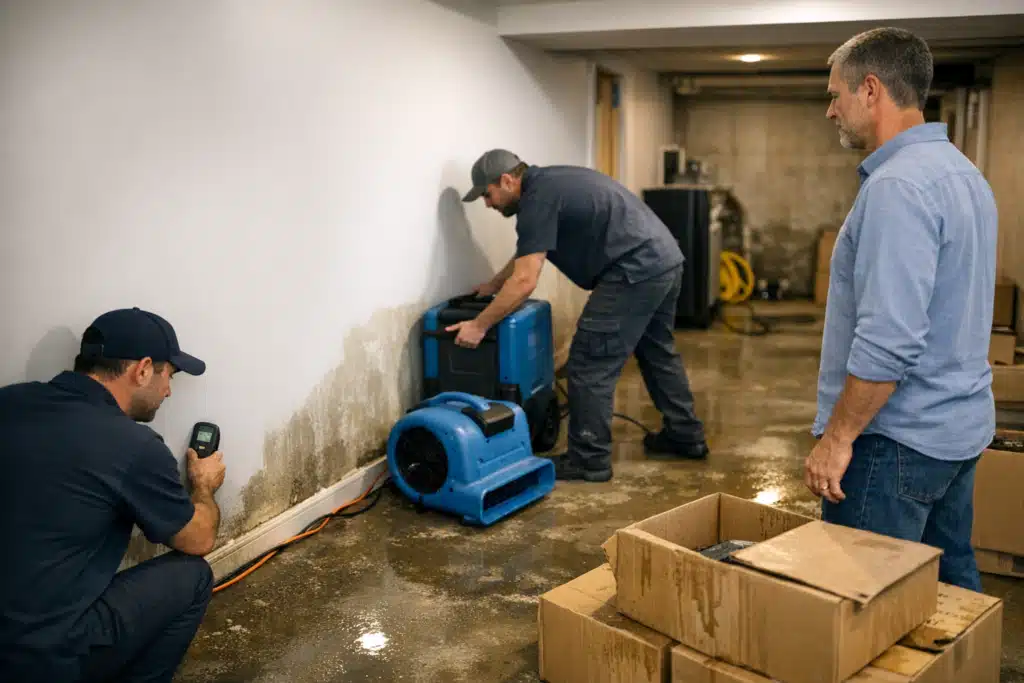
- On-site inspection steps. Explain the moisture reading, photo documentation, and damage walkthrough.
- Estimate and next steps. Tell them when they get a written scope and how insurance fits in.
Name your arrival window in real numbers, not vague promises. “Fast response” means nothing to someone standing in two inches of water.
Address Insurance Fears Head-On
Most restoration leads depend on insurance approval, and that scares homeowners into stalling. Add a short section that explains you document damage for the claim and can speak with their adjuster.
State plainly that an inspection does not commit them to a claim. This lowers the “let me think about it” cancellation that kills momentum.
The Homeowner Checklist That Improves Show Rates
Give homeowners a short list of things to do before you arrive. This does two jobs: it keeps them invested in the appointment and shortens your time on-site.
A homeowner who gathered documents and secured pets stays committed. People rarely cancel an appointment they already prepared for.
- Secure pets in a closed room. Loose animals slow technicians and create liability during equipment setup.
- Locate your water shutoff and electrical panel. Knowing these speeds up the safety check.
- Take phone photos of the damage now. Timestamped images help the insurance claim if water spreads before arrival.
- Have your insurance policy number and adjuster contact ready. This lets the technician start claim documentation on the first visit.
- Clear a path to the affected area. Move small furniture and boxes so equipment reaches the source fast.
- Keep receipts for any emergency purchases. Fans, tarps, and hotel costs may be reimbursable.
A prepared homeowner cuts on-site time by 20 to 30 minutes. That means more inspections per day for the same crew.
Why the Checklist Belongs on the Page and in the Text
Put the checklist on the web page, then text a link during your confirmation call. A homeowner who taps the link and reads it has committed a second time.
Text messages get opened within minutes, which matters for a same-day flood. Include your text line, 720‑885‑0749, so they can reply with photos or questions.
How to Drive Traffic to the Page With Local SEO
A page nobody sees helps nobody. Connect this page to your local search presence so it appears when panicked homeowners search “water damage inspection near me.”
Link the page from your Google Business Profile and your emergency service pages. Anchor internal links with phrases people search, like “what happens during a water damage inspection.”
- Add the page URL to your Google Business Profile as a booking or info link.
- Reference it in every appointment confirmation email and text.
- Link it from your homepage’s emergency call button area.
- Include the checklist headers as FAQ schema for AI search visibility.
FAQ schema helps Google AI Overviews and ChatGPT pull your answers directly. When a homeowner asks an AI what to expect, your page becomes the quoted source.
Track Which Leads Actually Show Up
Add a tracking parameter to the page link you text out. Then match booked inspections against completed ones in your CRM.
Watch your show rate before and after launching the page. Restoration owners we work with commonly see no-shows drop when confirmation steps and a checklist arrive together.
Handling Reputation After a Missed Appointment
Cancellations sometimes turn into bad reviews when a homeowner feels ignored. A clear page and a follow-up text stop most of that damage before it starts.
If someone cancels, send one polite text confirming you held the slot and can rebook. This small touch turns a lost job into a future call and protects your rating during high-volume weeks.
Every review you save during storm season is a lead you keep for the next one.
Putting It All Together
A single “what to expect” page confirms your timeline, prepares the homeowner, and shortens your crew’s time on-site. Pair the page with a texted checklist and confirmation call to cut no-shows and protect revenue during demand spikes.
The Restoration Marketers builds these pages, wires them into local SEO, and tracks show-rate gains for water and fire restoration companies. Call or text us at 720‑885‑0749 or visit https://restorationmarketers.com to book more inspections that stick.