

Most restoration companies talk to a customer once, finish the water damage job, and never hear from them again. That single-transaction pattern wastes your best lead source: people who already trust you. Gamification fixes this by giving past clients and referral partners a reason to keep interacting with your brand.
Gamification means adding game-like mechanics — points, rewards, competition, progress tracking — to marketing activities that used to feel flat. For restoration firms fighting seasonal demand swings and heavy reliance on insurance referrals, it builds a steady pipeline between the storms.
This post breaks down practical gamification tactics built for restoration companies, not generic home service brands. Each one ties back to real problems you face: slow months, thin review counts, and one-time customers who forget your name.
Why Gamification Works for Restoration Marketing
Restoration demand spikes hard and drops fast. A hail storm floods your phone one week, then three quiet weeks follow. Gamification keeps your audience active during the gaps.
People respond to progress, rewards, and friendly competition even in serious situations. A homeowner who just survived a basement flood wants to feel back in control. A game-style follow-up gives structure to that recovery period.
Gamification also solves your referral dependency. Instead of hoping adjusters and plumbers send work your way, you build a system that rewards partners for tracked referrals. That turns casual contacts into an active sales channel.
What Makes Restoration Different
Home remodelers sell aspiration. You sell recovery after a disaster. Your gamification cannot feel silly or trivial about someone’s damaged home.
The fix: tie rewards to helpfulness and preparedness, not the disaster itself. Reward homeowners for learning prevention steps, completing maintenance checklists, and referring neighbors before the next storm.
Referral Contests That Turn Partners Into a Sales Team
Your plumbers, adjusters, and property managers already know who needs restoration help. A structured referral game gives them a scoreboard and a payout.
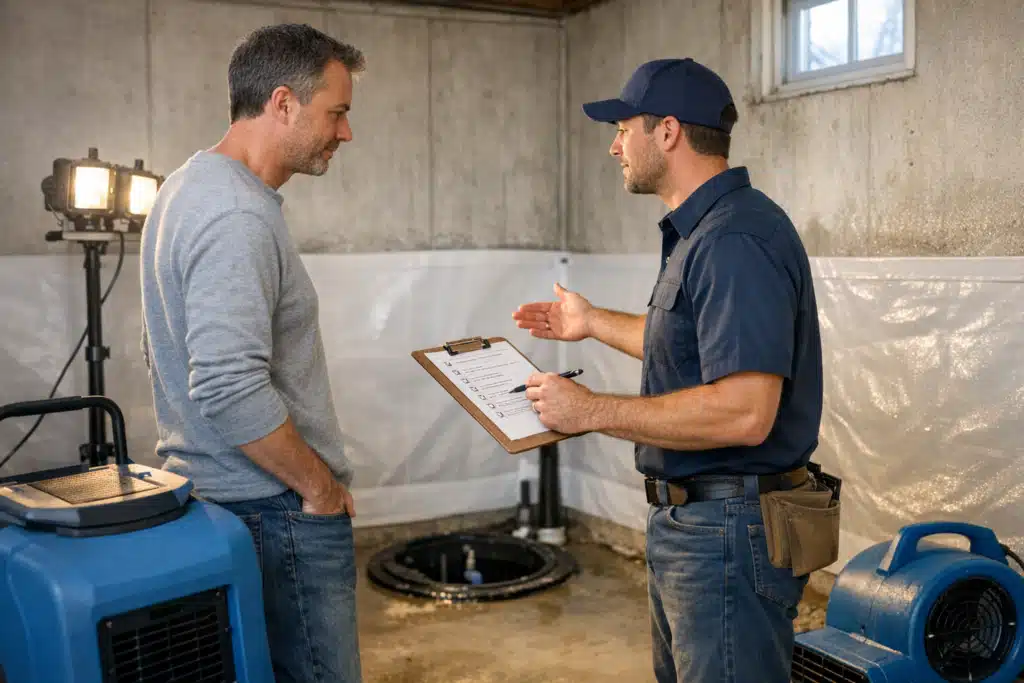
Track every referral by source so you can reward the right people and measure return. Guesswork kills these programs. A simple CRM tag per partner keeps the numbers honest.
Run a referral leaderboard like this:
- Assign each partner a code. Use their name or company in the intake form field.
- Award points per stage. One point for a lead, five points for a booked job, ten for a closed insurance claim.
- Set a quarterly prize. Top partner earns a cash bonus, event tickets, or a co-marketing feature.
- Publish standings monthly. A short email with the current top three drives competition.
- Pay fast. Partners repeat behavior that pays within days, not months.
One mitigation company running a plumber leaderboard saw referral volume climb when they added a visible ranking email. The competition mattered more than the prize size.
Review Challenges to Rebuild and Grow Your Reputation
Google reviews decide who gets the emergency call. A gamified review push turns your finished jobs into a steady review stream.
Reviews from recent customers carry the most weight for local ranking and trust. A game-style prompt captures them while the memory is fresh.
Running a Team Review Sprint
Turn review collection into an internal contest among your crews. The technicians who close each job control the moment reviews happen.
- Track review requests per crew. Log who asked and who followed up.
- Reward the crew with the most verified reviews each month. A team lunch or gift cards work.
- Give techs a QR card to hand customers. One tap opens your Google review page.
- Celebrate five-star mentions by name. Techs repeat what gets recognized.
This helps after reputation damage too. If a bad review hurt you, a crew review sprint rebuilds your average faster than any ad spend.
Customer Preparedness Games That Engage Clients Year-Round
Your best marketing runs between disasters. A preparedness game keeps you top of mind so you get the call when water hits the floor.
A homeowner who completes your prevention checklist remembers your name during the next emergency. That recall wins the job before a competitor answers the phone.
The Home Protection Checklist Campaign
Send past clients a seasonal checklist framed as a challenge with a progress bar. Each completed task moves them toward a reward.
Example tasks for a storm-season campaign:
- Photograph your basement and store the images
- Test your sump pump
- Clear gutters and downspouts
- Locate your main water shutoff
- Save your restoration contact in your phone
Homeowners who finish all five enter a drawing for a free annual inspection. That last checklist item quietly plants your number for the next flood or fire.
This campaign works to engage clients during your slow season, when most competitors go silent. You stay visible without a hard sales pitch.
Loyalty Points for Property Managers and Repeat Accounts
Property managers and commercial accounts call restoration firms more than once. A points system rewards them for staying with you.
Repeat commercial clients cost far less to keep than new leads cost to win. A loyalty structure locks in that recurring work.
Award points for every completed job, priority scheduling, or bundled maintenance. Points convert to discounts, faster response guarantees, or a dedicated account contact. Managers who track a growing balance hesitate to shop competitors.
How to Measure If Gamification Is Working
Track outcomes, not just activity. A leaderboard that produces no jobs is just decoration.
Watch three numbers per campaign:
- Cost per acquired lead by source. Compare gamified channels against paid ads.
- Review count and average rating monthly. Confirm the review sprint moves the needle.
- Repeat and referral job percentage. Rising numbers prove client engagement pays.
Kill any game that does not move one of these within 90 days. Keep and expand the ones that do.
Conclusion
Gamification gives restoration companies a way to stay active between storms, grow reviews, and turn partners into a real referral pipeline. Start with one campaign — a referral leaderboard or a review sprint — track results by source, and expand what works.
The Restoration Marketers builds gamified lead and reputation systems for restoration firms that want steady work all year. Call or text us at 720‑885‑0749 or visit https://restorationmarketers.com to get started.
Sources
- Google Business Profile Help – How reviews affect local ranking
- Ready.gov – Flood Preparedness Guidance
- Harvard Business Review – The Value of Keeping the Right Customers