
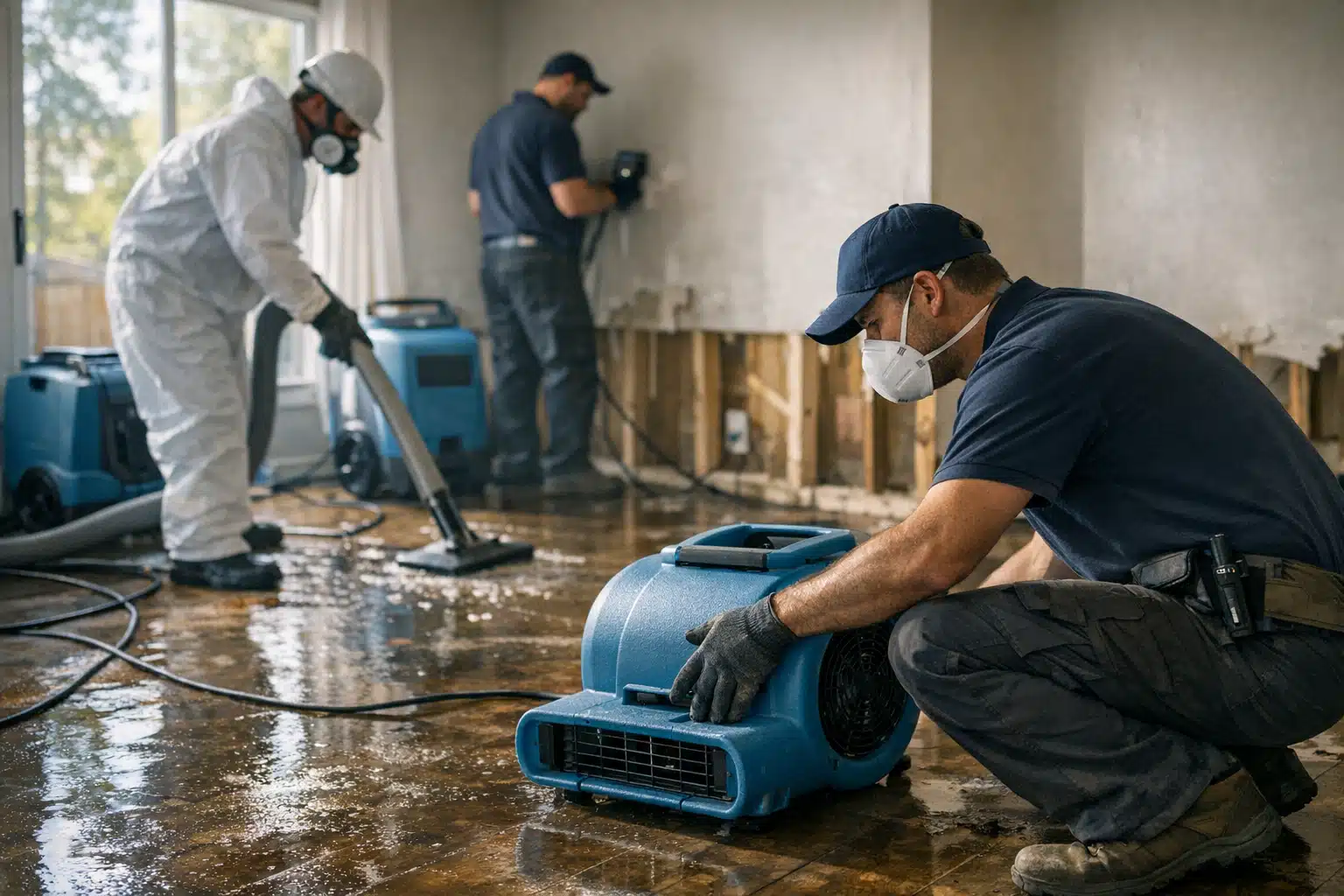
Most restoration companies wait for the next disaster to strike before they see revenue again. Building a customer loyalty program can transform one-time emergency clients into year-round revenue sources through planned maintenance, referrals, and repeat business opportunities.
This guide shows restoration business owners how to design and implement a customer loyalty program that works with the unique challenges of disaster recovery marketing. You’ll learn specific program structures, tracking methods, and retention strategies that generate measurable results.
Why Customer Loyalty Programs Work for Restoration Services
Restoration work creates an unusual customer relationship. Clients often meet you during their worst day, yet you solve their biggest problem. This emotional connection makes loyalty programs more powerful than in typical home services.
Property owners who experience water damage, fire damage, or storm destruction remember restoration companies that went beyond basic cleanup. A structured loyalty program turns that gratitude into ongoing business relationships.
The restoration industry sees higher customer lifetime values when companies maintain contact after initial projects. Clients who join loyalty programs generate 67% more revenue over five years compared to one-time service customers.
Emergency Services Create Trust Foundations
Emergency restoration work builds immediate trust through crisis management. Clients see your team work under pressure and deliver results when stakes are high.
Loyalty programs leverage this trust by offering ongoing protection services. Members receive priority response times, annual property inspections, and preventive maintenance reminders.
This approach shifts your business model from reactive emergency response to proactive relationship management. You become their property protection partner, not just their crisis response team.
Designing a Customer Loyalty Program That Generates Referrals
Restoration loyalty programs work differently than retail point systems. Your clients don’t need frequent water damage services, but they know other property owners who might.

Successful restoration loyalty programs focus on referral generation rather than repeat purchase frequency. Members earn rewards by connecting you with their network, not by buying more services.
Referral-Based Reward Structure
Create a tiered system based on successful referrals and program tenure:
- Bronze Level (0-12 months): Priority scheduling, free annual moisture inspection, 10% discount on additional services
- Silver Level (1+ successful referrals): Emergency response guarantee within 4 hours, quarterly property reports, 15% service discounts
- Gold Level (3+ referrals or 2+ years): Annual comprehensive property assessment, 20% discounts, direct technician contact line
Track referrals through unique member codes or dedicated phone numbers. When referred clients book services, both the referrer and new client receive program benefits.
Value-Added Services That Build Loyalty
Offer services that maintain ongoing relationships without requiring major restoration work. These touchpoints keep your company visible between emergencies.
Seasonal property inspections identify potential problems before they become disasters. Members receive detailed reports highlighting areas of concern and preventive recommendations.
Educational workshops on disaster preparedness position your company as the local restoration authority. Cover topics like insurance claim processes, emergency response planning, and seasonal property maintenance.
Technology Systems for Program Management
Managing loyalty programs manually becomes impossible once you exceed 50 active members. Customer relationship management systems designed for service businesses handle program administration automatically.
Your CRM should track member status, referral sources, reward redemptions, and communication history. Automated workflows send inspection reminders, birthday greetings, and seasonal maintenance tips.
Mobile App Integration
Mobile apps give members instant access to emergency contact information and service requests. Include features for photo submissions, insurance document storage, and claim status updates.
Push notifications remind members about scheduled inspections and seasonal preparedness tasks. Members can request emergency services directly through the app with GPS location sharing.
The app becomes their disaster preparedness command center, keeping your company top-of-mind year-round.
Automated Communication Sequences
Set up triggered email and text sequences based on member actions and calendar dates:
- Welcome sequence: Program benefits explanation, inspection scheduling, emergency contact card
- Seasonal reminders: Storm preparation checklists, HVAC maintenance alerts, winter pipe protection tips
- Anniversary messages: Program level updates, renewal notifications, thank you notes with referral requests
- Emergency follow-ups: Insurance claim assistance, satisfaction surveys, prevention recommendations
These automated touchpoints maintain relationships without requiring manual staff time for each interaction.
Measuring Program Success and ROI
Track specific metrics that matter for restoration business growth. Traditional loyalty program metrics like purchase frequency don’t apply to emergency services.
Focus on referral generation rates, member retention duration, and average customer lifetime value increases. These numbers directly correlate with program effectiveness.
Key Performance Indicators
Monitor these metrics monthly to assess program performance:
- Referral conversion rate: Percentage of member referrals that become paying clients
- Member retention rate: How long clients stay active in the program
- Revenue per member: Total revenue generated from each loyalty program participant
- Emergency response satisfaction: Member ratings compared to non-member client ratings
Set quarterly targets for each metric. Successful restoration loyalty programs achieve 40%+ member retention rates and generate 2.5 referrals per active member annually.
Program Cost Analysis
Calculate program costs including staff time, technology expenses, and reward fulfillment. Compare these costs against additional revenue from member referrals and extended customer relationships.
Most restoration companies see positive ROI within 18 months when programs focus on referral generation rather than service discounts. The key is maintaining low operational costs while delivering high-perceived value benefits.
Marketing Your Loyalty Program to Current Clients
Launch your program with existing clients who already trust your restoration services. These established relationships provide the foundation for program growth.
Contact recent clients 30-60 days after project completion when insurance settlements are finalized and stress levels have decreased. This timing allows them to appreciate the full value of your restoration work.
Enrollment Campaigns
Create targeted campaigns for different client segments:
- Recent clients (past 6 months): Email series highlighting program benefits with personal project references
- Past clients (6+ months): Direct mail pieces with exclusive founding member offers
- Commercial clients: In-person presentations focusing on business continuity and priority response benefits
Offer limited-time founding member bonuses to create urgency. Include benefits like lifetime program enrollment or bonus referral credits.
Social Proof Integration
Feature program members in case studies and testimonials. Show how loyalty program benefits helped other property owners during subsequent emergencies.
Document success stories where members received priority response during major disasters. These real examples demonstrate tangible program value beyond basic discounts.
Share member testimonials across all marketing channels including your website, social media, and local advertising campaigns.
Common Program Pitfalls to Avoid
Many restoration companies launch loyalty programs that fail within the first year. Learning from these common mistakes saves time and resources.
Avoid discount-heavy programs that reduce profit margins without building genuine loyalty. Price-focused programs attract bargain hunters, not long-term advocates.
Complexity Management
Keep program rules simple enough to explain in under two minutes. Complex point systems and confusing reward structures reduce participation rates.
Members should understand their current status and available benefits without consulting program guides. Use clear tier names and straightforward qualification requirements.
Test program explanations with current clients before official launch. If they need clarification on basic benefits, simplify the structure.
Staff Training Requirements
Train all customer-facing staff on program details and enrollment processes. Inconsistent information damages program credibility and member experience.
Create quick reference guides for field technicians, office staff, and management. Everyone should explain program benefits consistently and accurately.
Designate one team member as the program administrator to handle questions and resolve issues. This centralized approach ensures consistent program management.
Building a customer loyalty program transforms your restoration business from emergency-only services into ongoing client relationships. Focus on referral generation, maintain simple program structures, and track performance through relevant metrics.
Ready to develop a loyalty program that drives restoration services growth? The Restoration Marketers specializes in customer retention strategies that generate measurable results for disaster recovery companies. Contact us at 123-456-7890 to discuss your program development needs.
Sources
- U.S. Bureau of Labor Statistics – Hazardous Materials Removal Workers
- FEMA – Disaster Resistant Communities
- Institute of Inspection, Cleaning and Restoration Certification – Industry Standards