
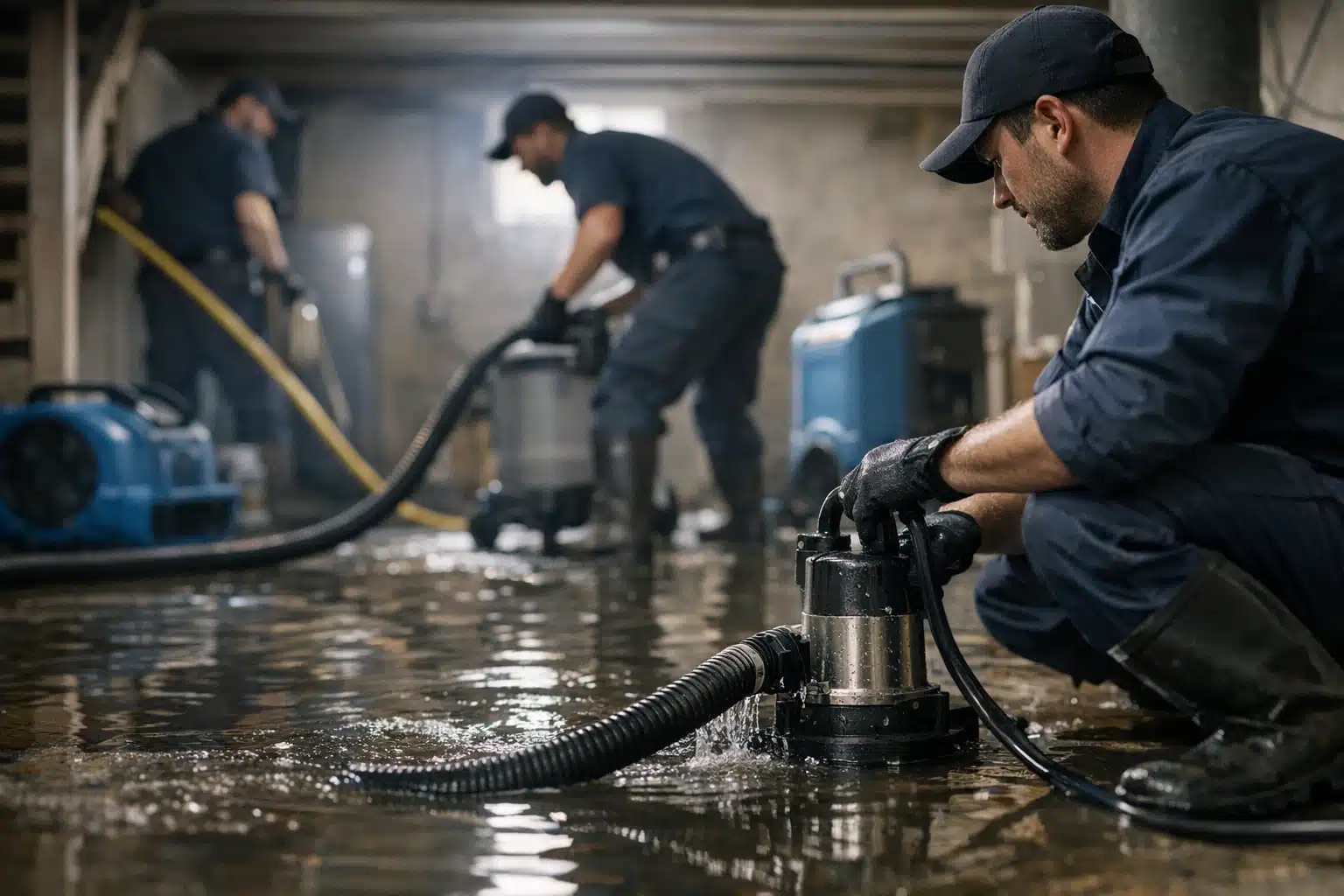
Why Most Restoration Companies Fail at Converting Prospects
Your water damage restoration company responds to 50 emergency calls this month. You complete every job perfectly. Yet only 12% of those satisfied customers refer you to others.
The missing piece isn’t your technical expertise. It’s proof that builds trust before the emergency happens. Compelling case studies transform anonymous restoration contractors into trusted local experts.
This guide reveals the exact framework our restoration clients use to create case studies that generate referrals, win insurance partnerships, and attract clients during competitive bidding situations.
The Problem with Generic “Before and After” Photos
Most restoration companies post photos of flooded basements next to clean, dry rooms. These images show capability but miss the emotional connection that drives decision-making.

Property owners facing water damage don’t just want technical competence. They need confidence that you understand their specific situation and can handle unexpected complications.
Effective case studies tell the complete story of how you solved a unique problem under pressure.
What Insurance Adjusters Really Want to See
Insurance professionals review dozens of restoration estimates weekly. They approve contractors who demonstrate clear communication, proper documentation, and consistent quality control.
Your case studies become your reputation portfolio. Include details about scope changes, timeline adjustments, and how you maintained quality standards throughout the project.
Creating Compelling Case Studies That Generate Qualified Leads
The most effective restoration case studies follow a four-part structure that mirrors how property owners evaluate contractors during crisis situations.
1. The Emergency Context
Start with the specific circumstances that created urgency. Include time of day, weather conditions, and initial damage assessment.
“3 AM burst pipe in February flooded the basement of a 1920s Tudor home while the family was traveling. Standing water reached 18 inches before the neighbor noticed water flowing under the garage door.”
Property owners connect with specific scenarios that match their own fears about potential damage.
2. The Technical Challenge
Describe what made this project complex beyond standard procedures. Focus on complications that required expertise or creative problem-solving.
Common technical challenges include:
- Historic building materials requiring specialized drying techniques
- Contaminated water sources affecting safety protocols
- Insurance coverage limitations requiring alternative restoration approaches
- Structural damage discovered during water extraction
- Multiple affected areas requiring coordinated restoration timeline
3. Your Solution Process
Detail your response timeline and decision-making process. Include specific equipment used and why you chose particular techniques.
Property owners want to understand how you handle pressure and adapt when situations change. Document communication frequency with both homeowners and insurance representatives.
Transparency about your process builds confidence in your ability to manage their potential emergency.
4. Measurable Outcomes
Quantify results using metrics that matter to property owners and insurance professionals.
Key metrics for restoration case studies:
- Response time from initial call to on-site assessment
- Days from damage discovery to full restoration completion
- Percentage of original materials successfully restored vs. replaced
- Insurance claim approval timeline and any coverage maximization
- Customer satisfaction scores or testimonial excerpts
Documentation During Active Projects
The best case studies start with systematic documentation during the restoration process. Most companies try to recreate details weeks later and lose impact.
Real-Time Data Collection
Assign one team member to capture key moments throughout each project. Use moisture readings, temperature logs, and equipment placement photos to build credibility.
Document decision points where you adjusted strategy based on new discoveries. These moments demonstrate expertise that separates professionals from basic service providers.
Customer Communication Tracking
Save examples of progress updates sent to property owners and insurance adjusters. Clear communication becomes a competitive advantage when prospects compare restoration companies.
Your communication style during crisis situations influences referral quality and repeat business potential.
Visual Elements That Build Trust
Photos and videos in restoration case studies serve different purposes than typical marketing materials. Focus on documentation rather than dramatic transformation shots.
Progressive Documentation Photography
Capture the same angles at 24-hour intervals showing gradual improvement. This approach proves your restoration timeline claims and helps property owners understand realistic expectations.
Include equipment setup photos that show your investment in professional-grade tools. Property owners recognize quality equipment even without technical knowledge.
Behind-the-Scenes Process Videos
Short videos of your team explaining decisions during active restoration build authority better than polished marketing content.
“Here’s why we’re using desiccant dehumidifiers instead of refrigerant units in this basement. The concrete slab construction and February temperatures require specialized moisture extraction.”
Distribution Strategies for Maximum Impact
The most detailed case studies generate zero leads without strategic distribution to your target audience.
Google Business Profile Optimization
Post case study summaries as Google Business updates with location-specific details. Local property owners search for “water damage near me” and value contractors with documented local experience.
Include neighborhood names and local landmarks in case study descriptions. Geographic relevance influences Google’s local search rankings for emergency restoration keywords.
Insurance Industry Networking
Share detailed case studies with local insurance agents and adjusters through quarterly newsletters or industry meetups.
Insurance professionals remember contractors who handle difficult claims smoothly. Your case studies become referral tools when they recommend restoration companies to policyholders.
Social Media Targeting
Create short-form versions of case studies for neighborhood Facebook groups and Nextdoor community boards.
Hyperlocal distribution builds name recognition before emergencies happen in your service area.
Measuring Case Study Effectiveness
Track specific metrics that connect case study distribution to lead generation and conversion rates.
Monitor these key performance indicators:
- Website traffic increases following case study publication
- Direct referrals mentioning specific case study details
- Insurance adjuster partnership opportunities
- Average time from inquiry to project approval
- Customer acquisition cost compared to other marketing channels
Refinement Based on Response Patterns
Property owners respond differently to case studies featuring various damage types and property characteristics. Track which scenarios generate the most qualified inquiries.
Adjust your documentation focus toward situations that resonate most with your target market and service area demographics.
Transform Your Project Documentation into Lead Generation Assets
Compelling case studies position your restoration company as the logical choice when property owners face emergency damage situations. Focus on specific technical challenges, measurable outcomes, and clear communication examples.
Start documenting your next three projects using this framework. The investment in systematic case study creation pays returns through improved conversion rates and referral quality for years.
Ready to optimize your restoration marketing strategy with professional case study development and distribution? The Restoration Marketers specializes in helping disaster restoration companies convert their expertise into consistent lead generation systems. Contact our team at 123-456-7890 to discuss how compelling case studies fit into your comprehensive digital marketing approach.
Sources
- U.S. Small Business Administration – Marketing and Sales Guide
- Institute of Inspection, Cleaning and Restoration Certification – Industry Standards
- FEMA – Documenting Disaster Damage