

Why Restoration Demand Rises and Falls With the Calendar
Most restoration owners feel the swing every year. Phones ring nonstop during storm season, then go quiet for weeks. Learning to read seasonal trends is how you smooth out those gaps and capture more jobs when demand spikes.
Restoration marketing differs from general home services because your leads follow weather, not just budgets. A plumber can market steadily all year. Your demand jumps with frozen pipes, spring floods, and summer mold.
This post breaks down how to time your ad spend, prep your website, and track leads by season. The goal is a marketing plan that matches when customers actually search for help.
Map Your Local Seasonal Demand Before You Spend a Dollar
Seasonal demand looks different in Denver than in Houston. Frozen pipe calls peak in January for northern markets. Gulf Coast firms see water damage spike during hurricane months from June to November.
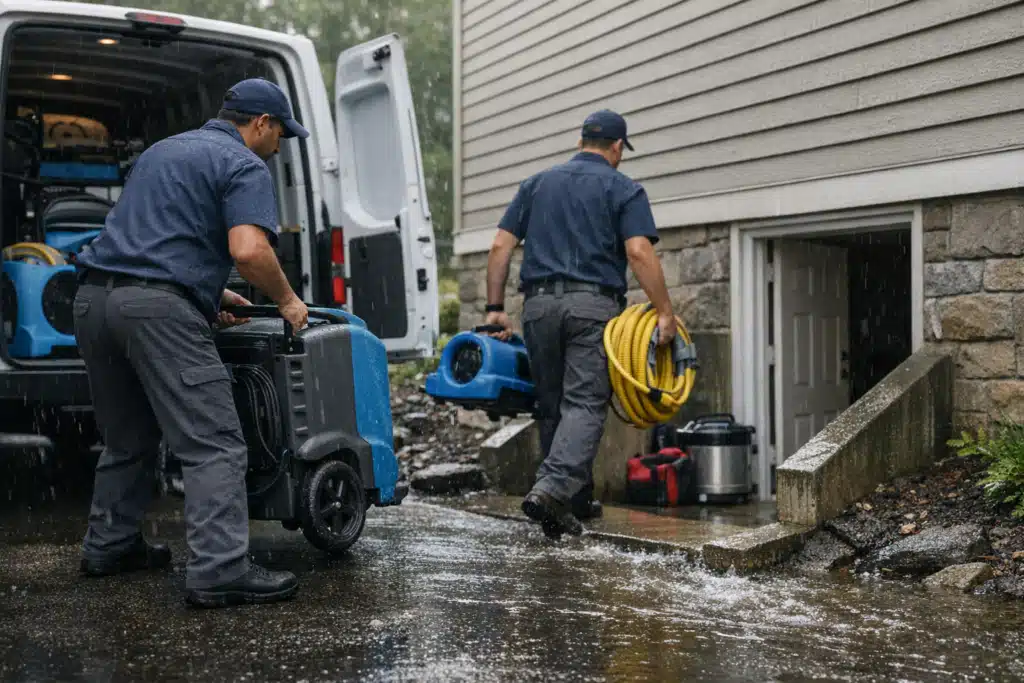
Start by pulling 12 to 24 months of your own job data. Sort completed jobs by month and damage type. Patterns show up fast once you see the numbers side by side.
Damage Types by Season
Each restoration category has its own calendar. Aligning your marketing to that calendar puts you in front of customers first.
- Winter: Frozen and burst pipes, ice dam water damage, furnace puff-back soot
- Spring: Flooding from snowmelt and heavy rain, basement seepage, storm damage
- Summer: Mold growth from humidity, HVAC condensation leaks, wildfire smoke
- Fall: Roof leaks from storms, early freeze pipe issues, heating system fires
Match your top ad keywords and content to whatever damage type peaks next.
How to Budget Google Ads Around Seasonal Trends
Seasonal trends should shape your paid ad budget month by month. Spending the same amount every month wastes money in slow periods and underfunds your busy ones. Shift dollars toward the weeks when searches climb.
Google Ads bids also rise when demand spikes because competitors flood the auction. Raising your budget two weeks before a known spike helps you win placement before costs peak. This early positioning captures the first wave of emergency searches.
A Seasonal Ad Budget Plan
- Identify your two peak months from your job data.
- Increase daily budgets 20 to 40 percent starting two weeks before each peak.
- Pause or lower bids on low-intent keywords during slow months.
- Run weather-triggered campaigns tied to local storm forecasts.
- Redirect leftover budget to off-season revenue like mold or air quality work.
One Midwest client cut wasted spend by moving 30 percent of their summer budget into January frozen-pipe campaigns. Their cost per lead dropped because fewer competitors bid in winter.
Prepare Landing Pages Before the Rush Hits
An emergency landing page needs one job: get a scared homeowner to call fast. During peak season, a slow or cluttered page bleeds leads you already paid for. Build and test these pages weeks ahead of demand.
Match each landing page to the damage type of the season. A January visitor searching “burst pipe cleanup” should not land on a generic homepage. Send them to a page about frozen pipe water extraction with a phone number at the top.
Emergency Landing Page Checklist
- Click-to-call button visible without scrolling on mobile
- Headline that names the exact problem and city
- A “24/7 response” line with a real average arrival time
- Two or three recent reviews from similar jobs
- Insurance help mentioned near the top
- Page load under three seconds on a phone
Over half of restoration searches happen on mobile during an active emergency. A page that loads slowly on a phone loses the job to the next result.
Use Local SEO to Own Seasonal Search Spikes
Local SEO for restoration companies means ranking in the map pack when nearby homeowners search during emergencies. Paid ads stop the moment your budget runs out. Strong local rankings keep bringing calls after the ad spend ends.
Your Google Business Profile does most of the heavy lifting here. Update it with season-specific content before each spike. Fresh photos and posts signal activity to Google’s ranking systems.
Seasonal Google Business Profile Moves
- Post before-and-after photos from recent seasonal jobs each week.
- Add service categories that match the coming season, like water damage restoration.
- Ask every customer for a review while the job is fresh in their mind.
- Answer questions in the Q&A section about seasonal problems.
- Keep hours accurate, including 24-hour emergency availability.
A steady stream of recent reviews during peak season pushes you above competitors in the map pack. Review volume and freshness both influence local ranking.
Build Off-Season Content That Feeds Peak Season
Content published in your slow months earns rankings before the rush arrives. Google takes weeks to rank a new page. Publishing frozen-pipe content in October means you rank by January.
Write pages that answer the questions homeowners ask before disaster strikes. “How much does water damage restoration cost” pulls research-phase traffic. Some readers call now, others bookmark you for later.
Target one seasonal topic per month, roughly 90 days ahead of demand. This lead time gives each page room to climb the rankings. By the time the season hits, your content is already earning calls.
Track Every Lead by Source and Season
You cannot improve what you do not measure. Tracking lead source tells you which channels pay off during each season. Without it, you are guessing where to put next year’s budget.
Set up call tracking numbers for each marketing channel. Tag every lead by source, damage type, and month. After one full year, patterns show which campaigns produced profit and which drained cash.
What to Track Each Month
- Lead source: Google Ads, local SEO, referrals, or direct calls
- Cost per lead by channel and season
- Damage type requested most that month
- Booked-job rate from each source
- Average job value by season
One client discovered their fall roof-leak leads booked at twice the rate of summer mold leads. They shifted budget accordingly and grew fall revenue without spending more.
Don’t Ignore Reputation During Slow Months
Slow seasons are the best time to rebuild reputation. During a rush, follow-up slips and review requests get forgotten. Use quiet weeks to catch up and repair any damage to your online rating.
Respond to every review, including old negative ones. A calm, helpful reply to a bad review shows future customers how you handle problems. This work pays off when the next spike sends new customers to read your reviews.
Enter peak season with a strong rating and recent reviews, and you convert more of the traffic you already earn.
Putting Your Seasonal Plan Together
Reading seasonal trends turns unpredictable demand into a plan you control. Match your ad budget, landing pages, and local SEO to the damage types that peak in your market. Track leads by source so each year gets smarter than the last.
The firms that boost service demand year-round are the ones that prepare during the quiet months. Start early, publish ahead of the rush, and keep your reputation strong.
Want a seasonal marketing plan built around your local demand? Call or text The Restoration Marketers at 720‑885‑0749, or visit https://restorationmarketers.com.
Sources
- NOAA – National Oceanic and Atmospheric Administration
- Ready.gov – Flood Preparedness and Seasonal Risk
- Google Business Profile Help – Improve Your Local Ranking
- EPA – Mold and Moisture Guidance