

The Hidden Cost of Poor Online Conversion Rate in Restoration Marketing
Your restoration company generates 200 water damage leads per month, but only 30 become paying customers. That’s a 15% online conversion rate — and you’re losing $180,000 annually to competitors who convert better.
Most restoration company owners focus on generating more leads without optimizing what happens after someone clicks. This approach wastes ad spend and misses revenue opportunities during peak storm seasons.
This guide reveals specific tactics to improve your restoration business’s online conversion rate through emergency-focused landing pages, faster response systems, and trust-building strategies that work during disaster scenarios.
What Online Conversion Rate Means for Restoration Companies
Online conversion rate measures the percentage of website visitors who complete your desired action — calling for emergency service, filling out damage assessment forms, or scheduling inspections.
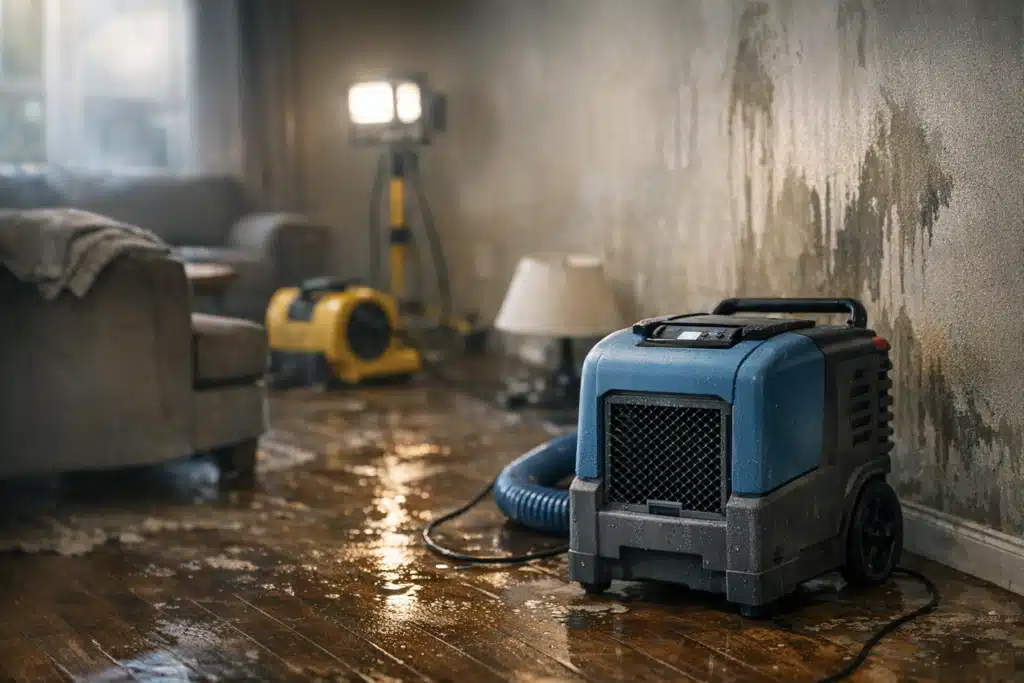
For restoration businesses, conversion happens differently than other home services. Water damage calls convert within minutes, while fire damage leads may research for days before deciding.
A restoration company’s conversion rate typically ranges from 12-25% for emergency services and 3-8% for planned restoration projects. Companies exceeding these ranges share specific optimization strategies.
Why Standard Conversion Tactics Fail for Restoration Marketing
Generic home services conversion advice ignores restoration-specific factors. Your customers face insurance deadlines, displacement stress, and health concerns that don’t apply to routine contractors.
Emergency restoration leads behave differently than planned home improvement shoppers. They need immediate answers, not detailed project galleries or testimonials.
Optimizing Landing Pages for Emergency Restoration Leads
Your restoration landing page must address emergency mindset within 3 seconds. Visitors in crisis want reassurance and immediate action, not company history.
Emergency-focused landing pages convert 40% higher than generic restoration pages. The difference lies in addressing immediate concerns first.
Essential Elements for High-Converting Restoration Landing Pages
- Emergency response time prominently displayed — “On-site within 60 minutes” above the fold
- Insurance direct billing statement — removes financial stress from decision-making
- 24/7 availability with click-to-call button — mobile-optimized for on-scene searches
- Service area coverage map — confirms you serve their location during emergencies
- Damage category quick-select — water, fire, storm, mold with specific next steps
Remove navigation menus and competing calls-to-action from emergency landing pages. One page, one goal: get them to call immediately.
Mobile Optimization for On-Scene Searches
Sixty-seven percent of emergency restoration searches happen on mobile devices from the damage site. Your landing page must load and convert on smartphones.
Use large, thumb-friendly call buttons and minimal text entry. Property owners standing in flooded basements can’t complete lengthy contact forms.
Test your mobile conversion flow while wearing work gloves — if you can’t easily complete the action, neither can stressed property owners.
Response Speed Impact on Conversion Rate
Response time directly correlates with restoration conversion rates. Companies responding within 5 minutes convert 80% more leads than those taking over an hour.
Emergency restoration operates on disaster timelines, not business hours. Your conversion optimization must account for immediate response expectations.
Automated Response Systems That Convert
Implement immediate confirmation systems for after-hours leads:
- SMS auto-reply with arrival timeframe — “Received your emergency request. Technician dispatched, arrival by 11:30 PM.”
- Email with emergency contact numbers — includes direct technician line and 24/7 dispatch
- Callback scheduling for non-emergency requests — separates urgent from routine inquiries
Your automated responses should feel personal and service-specific. Generic “We received your message” replies reduce conversion rates during emergencies.
Live Chat Implementation for Restoration Leads
Live chat increases conversion rates by 30% for restoration websites when implemented correctly. The key lies in immediate availability during peak disaster periods.
Staff chat during storm warnings and weather emergencies. Property owners research restoration services while damage occurs, not days later.
Train chat operators to gather essential information: damage type, insurance carrier, and urgency level. This data helps prioritize response and improves conversion quality.
Trust Signals That Convert Emergency Restoration Leads
Emergency restoration leads need immediate trust establishment. Standard trust signals work differently when customers face urgent property damage.
Display insurance certifications prominently — IICRC logos and insurance direct billing capabilities matter more than generic business awards during emergencies.
Restoration-Specific Social Proof
Emergency testimonials convert better than project showcase reviews. Feature customer stories about response time, insurance handling, and communication during disasters.
Include recent completion photos with timestamps. “This kitchen fire damage restored in 4 days” provides specific expectations for similar situations.
Display local project examples from the past 90 days. Recent local work proves current availability and area knowledge during similar emergencies.
Insurance Partnership Credibility
List major insurance carriers you work with directly. Property owners want confirmation their insurer accepts your services before committing.
Create carrier-specific landing pages for preferred vendor programs. “State Farm policyholders receive expedited service and direct billing” increases conversion among referred leads.
Tracking and Measuring Restoration Conversion Rate
Restoration businesses need different conversion tracking than other contractors. Emergency calls don’t follow typical customer journeys.
Track conversion by damage type and lead source. Water damage from PPC ads converts differently than fire damage from organic search results.
Key Metrics for Restoration Conversion Analysis
- Source-specific conversion rates — Google Ads emergency keywords vs. insurance referrals
- Time-to-contact correlation — response speed impact on conversion likelihood
- Mobile vs. desktop performance — emergency searches favor mobile optimization
- Seasonal conversion patterns — storm season behavior differs from routine periods
Set up call tracking with damage type recording. This data reveals which landing pages and keywords generate the most valuable restoration leads.
A/B Testing Emergency Landing Pages
Test one element at a time during peak seasons when lead volume supports statistical significance. Storm seasons provide natural testing opportunities.
Focus tests on high-impact elements: response time promises, insurance messaging, and call-to-action button placement. Avoid testing during slow periods with insufficient traffic.
Test emergency vs. non-emergency page versions based on keyword intent. “Emergency water removal” searchers need different pages than “water damage restoration cost” researchers.
Common Conversion Rate Killers for Restoration Websites
Restoration websites lose conversions through industry-specific mistakes that don’t affect other contractors.
Requiring insurance information before initial contact deters emergency leads. Collect basic damage details first, insurance specifics during follow-up calls.
Emergency Response Messaging Mistakes
Vague response promises kill emergency conversions. “Fast response” means nothing to flooded property owners who need specific arrival times.
Replace “24/7 availability” with “Answer calls within 2 rings, on-site within 60 minutes.” Specific commitments convert better than generic availability claims.
Avoid technical restoration jargon on landing pages. Property owners in crisis need simple, clear next steps, not industry terminology explanations.
Seasonal Conversion Rate Optimization
Restoration conversion rates fluctuate dramatically with weather patterns and seasonal damage types. Your optimization strategy must adapt accordingly.
Storm season drives high-intent traffic with elevated conversion potential. Preparation-focused pages convert during weather warnings before damage occurs.
Weather-Triggered Landing Page Optimization
Create weather-specific landing pages for seasonal damage patterns:
- Hurricane preparation pages — activated during tropical storm watches
- Freeze damage response — deployed during hard freeze warnings
- Storm cleanup services — launched immediately after severe weather events
Monitor local weather services and activate appropriate landing pages before damage occurs. Proactive positioning increases conversion rates during peak demand periods.
Advanced Conversion Tactics for Restoration Companies
High-performing restoration companies use sophisticated conversion optimization beyond basic landing page improvements.
Implement dynamic phone numbers that route to available technicians based on location and damage type. This reduces hold times and improves first-contact resolution rates.
Insurance Carrier Integration
Partner with insurance technology platforms for direct claims integration. Seamless insurance connectivity removes conversion barriers for policyholder leads.
Create insurance-branded landing pages for carrier partnerships. Branded pages convert 25% higher than generic restoration pages for referred leads.
Offer online damage documentation tools that integrate with insurance claims. Property owners appreciate streamlined processes during stressful restoration situations.
Converting Leads Into Long-Term Restoration Customers
Emergency restoration leads often require additional services months after initial damage. Optimize for lifetime value, not just immediate conversion.
Follow up on completed emergency jobs with maintenance reminders and seasonal preparation services. Previous emergency customers convert at 60% rates for related services.
Create post-restoration communication sequences that provide ongoing value: moisture monitoring tips, maintenance schedules, and weather preparation checklists.
Conclusion
Improving your restoration company’s online conversion rate requires emergency-specific optimization strategies. Generic conversion advice fails because restoration leads face unique time pressures, insurance considerations, and stress factors.
Focus on immediate response messaging, mobile-optimized emergency workflows, and trust signals relevant to disaster situations. Track conversion by damage type and optimize for seasonal demand patterns.
Ready to increase your restoration company’s conversion rate and stop losing qualified leads to competitors? The Restoration Marketers specializes in conversion optimization strategies designed specifically for disaster restoration businesses. Contact us at 123-456-7890 to discover how our emergency-focused marketing systems can improve your lead conversion and grow your restoration business.
Sources
- FEMA – Helping Customers Navigate Claims Process After Disaster
- Institute of Inspection Cleaning and Restoration Certification – Industry Standards
- U.S. Census Bureau – Characteristics of New Housing Construction