
Why Social Media Advertising Works for Emergency Water Damage Services
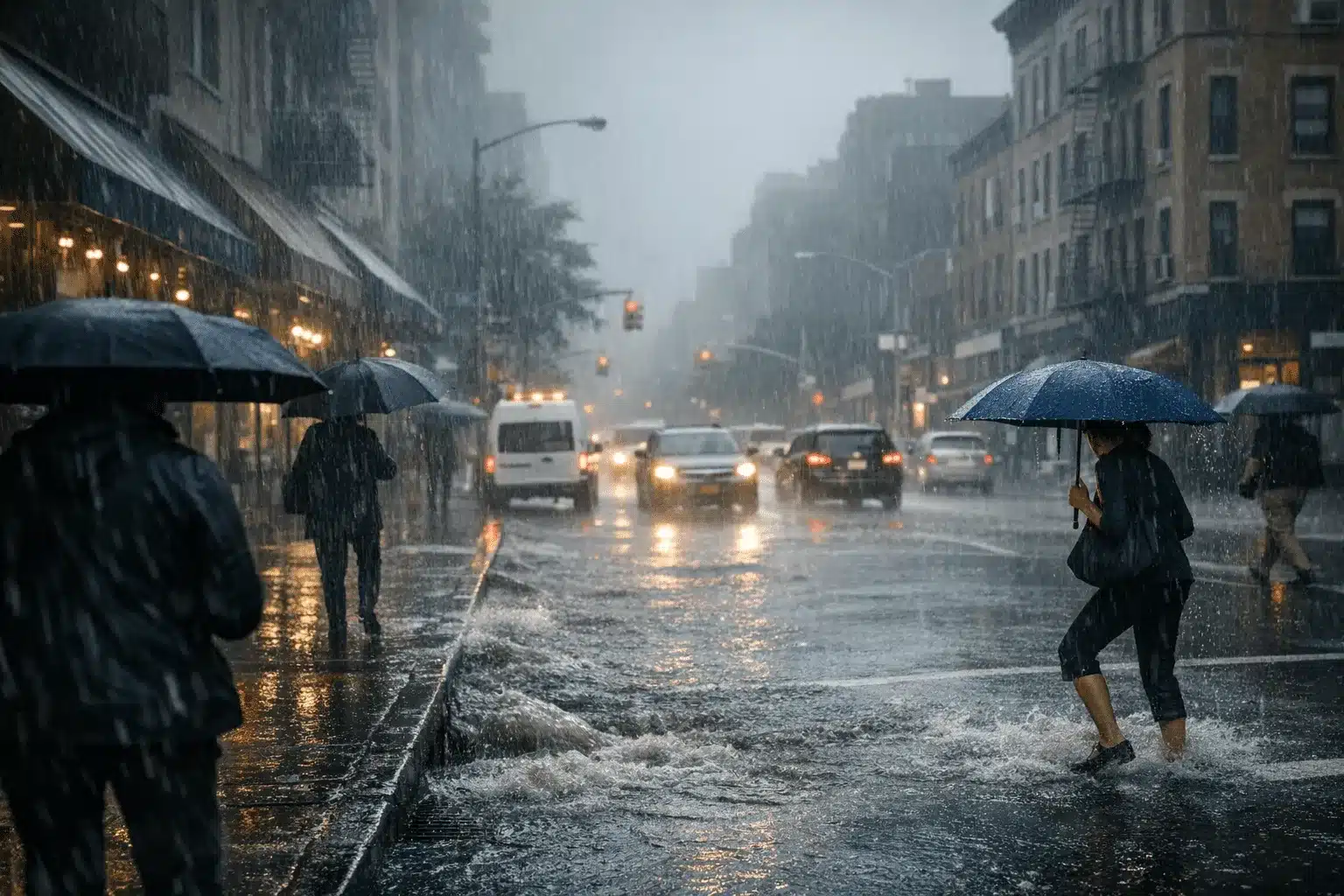
Property owners experiencing water damage emergencies reach for their phones first. Social media advertising captures these urgent moments when homeowners and business owners need immediate help. Unlike traditional marketing channels, social platforms deliver your water damage services directly to people actively discussing flooding, burst pipes, and storm damage.
Water damage restoration companies using targeted social media advertising see response rates 40% higher than generic home services ads. The key lies in understanding when and where emergency situations unfold online.
This guide reveals platform-specific strategies that generate qualified leads during peak damage seasons and emergency events.
Facebook Advertising Strategies That Generate Water Damage Leads
Facebook’s detailed targeting options make it the most effective platform for reaching property owners facing water emergencies. Location-based campaigns perform best when activated within hours of severe weather events.
Weather-triggered campaigns produce the highest conversion rates for restoration companies. Set up automated ads that launch when National Weather Service issues flood warnings or severe storm alerts in your service area.
Emergency Response Ad Campaigns
Create separate ad sets for different emergency scenarios:
- Storm damage campaigns – Activate during weather emergencies with 2-hour response messaging
- Pipe burst campaigns – Target homeowners during freezing temperature alerts
- Appliance flooding campaigns – Focus on areas with older housing stock prone to water heater failures
- Commercial water damage campaigns – Target business districts with specialized equipment messaging
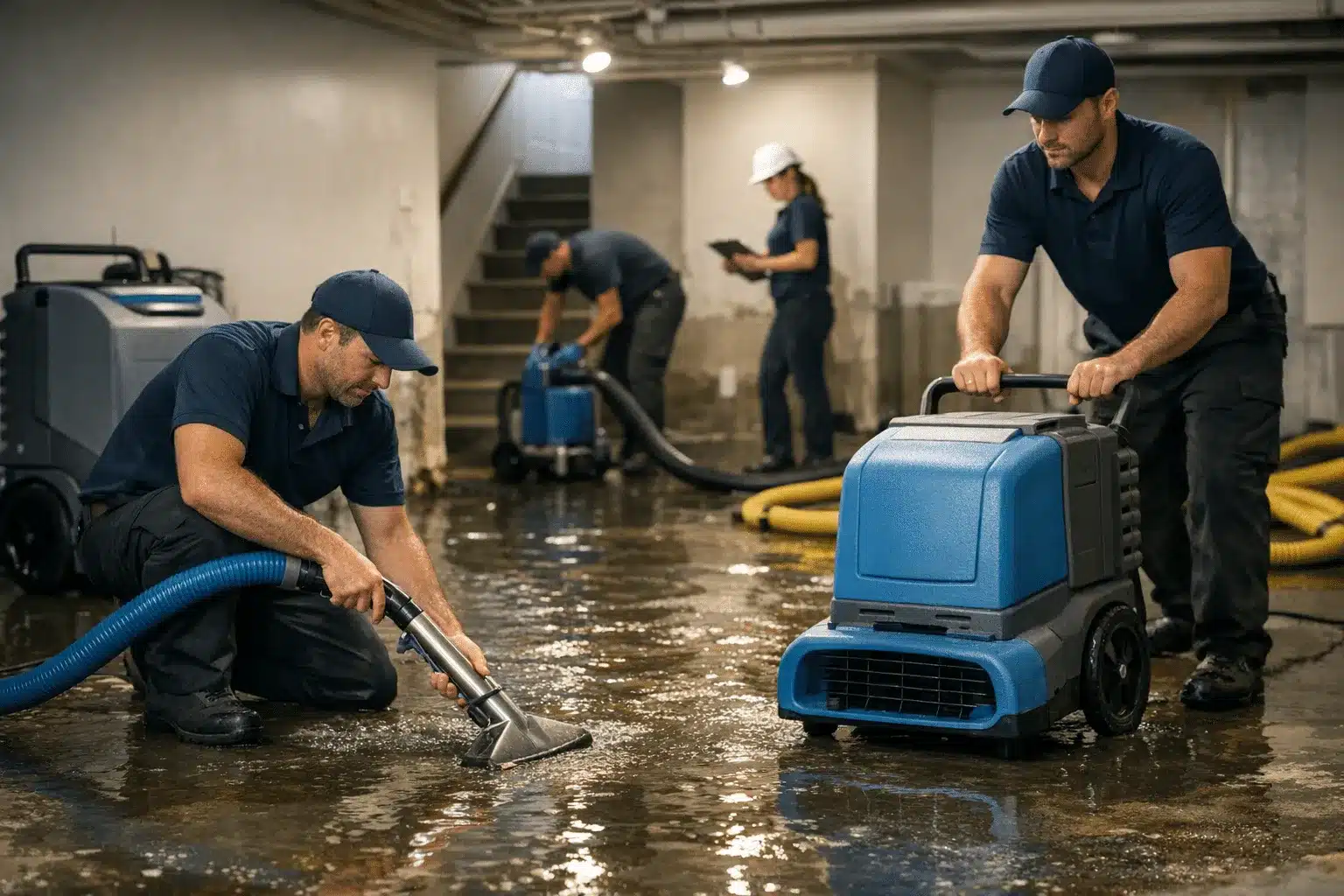
Use video ads showing your emergency response team in action. Property owners want proof you can handle urgent situations quickly and professionally.
Geographic Targeting for Maximum Impact
Radius targeting around your physical location generates better leads than broad regional campaigns. Start with a 15-mile radius and expand based on response capacity.
Layer demographic targeting over geographic boundaries. Homeowners aged 35-65 with household incomes above $50,000 represent your highest-value prospects for comprehensive restoration projects.
Instagram Advertising for Water Damage Restoration Companies
Instagram’s visual format showcases restoration work better than any other platform. Before-and-after content drives engagement rates 3x higher than text-based ads.
Stories ads reach users during active browsing sessions when they’re most likely to take immediate action. Use carousel formats to show restoration progress from initial damage assessment through completion.
Visual Content That Converts
Document real restoration projects with permission from clients. Professional photos showing water extraction, drying equipment setup, and finished results build trust with prospects facing similar damage.
Include safety equipment and certified technicians in every image. Property owners want assurance that restoration work follows industry standards and protects their families.
Add emergency contact information directly to story highlights. Make it simple for viewers to call or text immediately when they discover water damage.
LinkedIn Campaigns for Commercial Water Damage Services
Commercial property managers and business owners use LinkedIn to research emergency service providers. Target facility managers, property management companies, and business owners in industries prone to water damage.
Restaurant chains, healthcare facilities, and retail businesses face significant revenue losses during water damage events. Position your services as business continuity solutions rather than basic cleanup.
B2B Targeting Strategies
Focus campaigns on decision-makers who approve emergency service contracts:
- Facility managers at companies with 50+ employees
- Property management firm executives
- Insurance adjusters specializing in commercial claims
- Building owners in flood-prone commercial districts
Highlight rapid response times and insurance claim support in B2B messaging. Commercial clients prioritize vendors who minimize business interruption and handle paperwork efficiently.
Budget Allocation and Seasonal Campaign Planning
Water damage restoration demand fluctuates dramatically based on weather patterns and seasonal risks. Allocate 60% of your annual social media advertising budget to peak storm seasons in your region.
Spring flooding, summer severe weather, and winter pipe freezing create predictable demand spikes. Scale ad spending 2-3 weeks before historical peak periods in your market.
Platform Budget Distribution
Split your social media advertising budget based on audience behavior and conversion data:
- Facebook: 50-60% – Best overall lead generation and emergency response targeting
- Instagram: 25-30% – Strong visual impact and younger homeowner demographics
- LinkedIn: 10-20% – Commercial accounts and high-value business relationships
- YouTube: 5-10% – Educational content and service area awareness
Monitor cost-per-lead across platforms weekly during peak seasons. Shift budget toward highest-performing campaigns within 24 hours of significant weather events.
Ad Copy and Messaging That Drives Emergency Calls
Water damage situations create urgent emotional responses in property owners. Lead with empathy and immediate availability rather than technical service details.
Effective restoration ad copy addresses three concerns: speed of response, insurance acceptance, and damage prevention expertise. Property owners want fast help from qualified professionals their insurance company recognizes.
High-Converting Message Frameworks
Structure ad copy around urgency and local credibility:
- Opening hook – Address immediate concern or recent weather event
- Availability statement – Specific response time commitment
- Credentials – Insurance partnerships and certifications
- Clear call-to-action – Phone number and “call now” messaging
Avoid technical jargon that confuses stressed property owners. Use simple language focusing on outcomes: “stop additional damage,” “save your belongings,” and “work with your insurance.”
Tracking Performance and Optimizing Campaigns
Emergency service calls often happen within minutes of seeing social media ads. Track phone calls, form submissions, and direct messages as primary conversion metrics.
Set up call tracking numbers for each platform to measure which ads generate actual service calls. Many restoration leads prefer calling over filling out forms during emergencies.
Key Performance Metrics
Monitor these metrics weekly to optimize campaign performance:
- Cost per qualified lead by platform and ad set
- Response time from ad click to phone call
- Conversion rate from lead to scheduled service
- Average project value by traffic source
- Customer lifetime value from social media leads
Weather-triggered campaigns often show higher initial costs but generate larger project values. Factor total revenue per customer into optimization decisions rather than focusing solely on lead costs.
Compliance and Ethics in Emergency Service Advertising
Restoration companies must balance urgency with ethical advertising practices. Never exploit disaster situations or create false urgency in ad messaging.
Focus on genuine service capabilities and realistic response times. Overpromising during emergencies damages reputation and creates legal liability if service delivery fails to match advertising claims.
Include proper licensing information and insurance coverage details in ad copy where required by local regulations. Some municipalities require specific disclosures for emergency service advertising.
Conclusion
Social media advertising succeeds for water damage companies when campaigns target urgent situations with empathetic messaging and immediate availability. Platform-specific strategies focusing on visual proof, local targeting, and emergency response generate qualified leads during peak demand periods.
Effective restoration marketing requires understanding when and how property owners seek help during water damage emergencies. Social platforms capture these critical moments better than traditional advertising channels.
Ready to launch targeted social media campaigns that generate emergency water damage leads? The Restoration Marketers specializes in disaster restoration advertising strategies that deliver measurable results. Contact our team at 123-456-7890 to discuss campaign setup and optimization for your restoration company.