
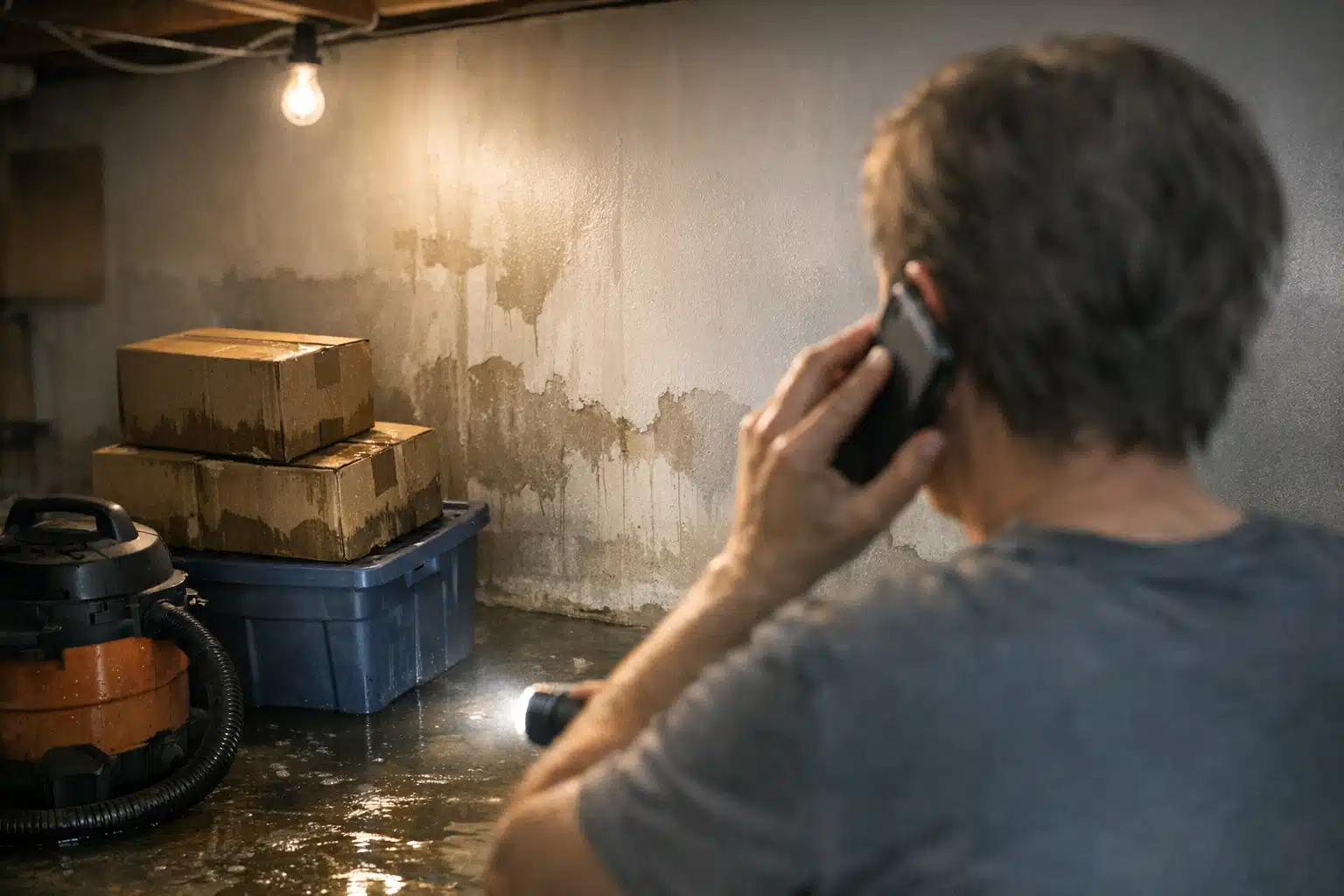
Most restoration leads decide within hours, not days. A homeowner with three inches of water in their basement calls two or three companies, picks one fast, and forgets the rest. If your restoration remarketing setup is missing, you vanish from their mind the second they hang up.
That short decision window is where storm-season money leaks out of your business. You paid for the click, the form fill, or the phone ring. Then they went quiet, and you assumed “we already called someone” meant game over.
It usually doesn’t. Below is a 10-minute remarketing approach built for restoration companies that reminds people you exist without stalking them around the internet.
Why “We Already Called Someone” Isn’t a Dead Lead
A homeowner who called a competitor has not signed anything yet. They are waiting on a callback, a quote, or an insurance answer. That gap is your opening.
Restoration buying works differently from general home services. Nobody shops for months. They pick fast under stress, then second-guess the choice when the first company is slow or vague.
The first company to respond often wins. The second company to reassure sometimes steals the job back.
Water and fire damage decisions carry fear, insurance confusion, and tight timelines. A quiet follow-up that answers their real questions can flip a “we already called someone” into “you called back first, we’re going with you.”
What Makes Restoration Remarketing Different
General remarketing pushes discounts and “buy now” urgency. That tone backfires with a stressed homeowner staring at ruined drywall.
Your remarketing should reassure, not sell. Think response times, insurance support, and what to expect on day one.
- Reassurance beats discounts. Nobody wants 10% off mold remediation. They want to know you show up.
- Clarity beats flashy creative. A plain ad that says “We bill your insurance directly” outperforms a stock photo of a smiling family.
- Speed signals trust. “On-site in 60 minutes” answers the only question they care about.
The No-Creep-Factor Restoration Remarketing Setup
A privacy-conscious restoration remarketing setup shows reassurance ads only to recent site visitors, caps how often they see you, and stops after a few days. No endless chasing. No eerie feeling that you’re watching them.

Here is the 10-minute version you can build this week.
Step 1: Build a Short-Window Audience
Open Google Ads or Meta and create a remarketing audience for people who visited your site in the last 3 to 7 days. Restoration decisions happen fast, so a 30-day window wastes money on people who already dried out.
Keep the window tight: 3 to 7 days matches the real decision timeline.
Step 2: Exclude People Who Already Converted
Add an exclusion for anyone who hit your “thank you” page or called from the site. Showing ads to a customer you already booked looks sloppy and wastes budget.
This single exclusion is how you prevent lost restoration leads from turning into wasted ad spend on won jobs.
Step 3: Write Three Reassurance Ads, Not Sales Ads
Your ad copy should answer the questions a scared homeowner is Googling at 11 p.m. Skip slogans. Use plain promises.
- Response time ad: “Still waiting on a callback? We answer live, 24/7, and arrive within the hour.”
- Insurance ad: “Not sure what insurance covers? We document the damage and bill your carrier directly.”
- What-to-expect ad: “Here’s what the first 24 hours of water cleanup looks like with our crew.”
Each ad targets a specific worry. Together they cover the three reasons people hesitate after that first call.
Step 4: Set Frequency Caps So You Don’t Feel Like a Stalker
Cap impressions at 2 to 3 views per person per day. More than that reads as desperate and damages the trust you’re trying to build.
A capped, short-lived campaign feels like a helpful reminder, not surveillance.
Step 5: Point Ads to a Reassurance Page, Not Your Homepage
Build one simple landing page that answers the three worries above. Response time at the top. Insurance help in the middle. A click-to-call button fixed to the screen.
Do not send remarketing traffic to a generic homepage. A homeowner mid-panic will not hunt for the answer they need.
How to Keep It Privacy-Conscious and Trust-Safe
Privacy rules tightened after Google’s shift away from third-party cookies and stricter consent requirements. A clean remarketing setup respects that and protects your brand reputation at the same time.
- Honor consent banners. Only track visitors who accept cookies. This keeps you compliant and avoids complaints.
- Keep audiences broad enough to stay anonymous. Google requires a minimum audience size before ads run, which protects individual identity.
- End campaigns at 7 days. No lifelong follow-up. Once the decision window closes, let them go.
- Avoid hyper-specific creative. Don’t reference the exact page they viewed. That’s what triggers the creepy feeling.
Reassurance content ages well. Aggressive retargeting ages into one-star reviews.
Timing Your Restoration Remarketing Around Storm Season
Demand swings hard in restoration. A single hailstorm or freeze event can spike local water damage searches overnight, then drop them for weeks.
Your remarketing budget should move with that pattern.
During a Surge Event
When a storm hits, traffic jumps and competitors flood the auction. Raise your remarketing budget for 72 hours because the decision window shrinks even further when everyone is booked.
During surges, the reassurance ad about response time earns the most callbacks.
During Slow Weeks
In quiet stretches, lean on the insurance and what-to-expect ads. Fewer emergencies mean more homeowners researching carefully before they commit.
Lower your daily cap, stretch the window to 10 days, and let the slower deciders find their way back.
Track Which Reassurance Ad Wins
You cannot improve what you do not measure. Tag each ad so you know which worry drives the most recovered calls.
- Use a separate call-tracking number or UTM tag for each of the three ads.
- Check weekly which ad produced booked jobs, not just clicks.
- Shift budget toward the ad with the lowest cost per booked job.
- Rewrite the weakest ad using the language from your best phone calls.
Cost per booked job is the only number that matters. Clicks and impressions pay no bills.
Most restoration owners find the response-time ad wins during storms and the insurance ad wins the rest of the year. Your mix will tell its own story.
Recovering Trust After a Rough Review Season
If a few bad reviews hit during a busy season, remarketing can help you rebuild. Use the what-to-expect ad to set honest expectations and point to a page showing your current process and recent happy customers.
People who called a competitor and got burned will come back if you look steadier than the last company. A calm, clear ad beats a defensive one every time.
Putting It All Together
A tight restoration remarketing setup keeps you visible during the short window when homeowners second-guess their first call. Reassurance ads about response time, insurance, and what to expect recover more jobs than any discount. Keep the window short, cap the frequency, and let people go when the decision passes.
If you want this built and tuned by a team that works only with restoration companies, call or text The Restoration Marketers at 720‑885‑0749, or visit https://restorationmarketers.com. We will set up a privacy-safe system that recovers the leads you thought were gone.