

Most restoration companies waste 40% of their marketing budget because they track the wrong metrics. They measure website visits while missing the data that drives emergency revenue. The right metrics reveal which channels generate profitable water damage and fire restoration leads.
Smart restoration business owners track metrics that align with emergency demand patterns. They measure response speed, lead source quality, and seasonal conversion rates. This data-driven approach separates profitable restoration companies from those struggling to grow.
These five critical marketing metrics help restoration companies optimize their campaigns for maximum lead generation and revenue growth.
Cost Per Lead by Service Type
Cost per lead varies dramatically between restoration services. Water damage leads cost $85-120 on Google Ads. Mold remediation leads run 0-180. Fire restoration leads command $200-350 because fewer emergencies create less search volume.
Track each service separately to allocate budget correctly. Many restoration companies discover their fire damage campaigns generate higher-value customers despite higher lead costs. A $300 fire lead becomes profitable when average project value reaches $15,000.
Calculate cost per lead monthly using this formula:
- Total advertising spend ÷ Number of qualified leads = Cost per lead
- Separate calculations for water damage, fire, mold, and storm restoration
- Include both Google Ads and Facebook advertising costs
- Exclude unqualified leads (wrong location, DIY inquiries, price shoppers)
Document seasonal fluctuations in lead costs. Storm season drives water damage leads down to $60-80 while increasing volume 300%. Plan budget increases during peak months to capture emergency demand.
Setting Profitable Lead Cost Targets
Profitable restoration companies target 8-12% of average project value as maximum cost per lead. A company averaging $4,000 water damage jobs should keep lead costs under $400. This ratio accounts for conversion rates and operational overhead.
Track lead costs weekly during storm season. Increased competition can double costs overnight. Companies that monitor daily can pause unprofitable keywords before spending entire monthly budgets.
Lead Response Time Performance
Response time directly impacts conversion rates in emergency restoration. Companies responding within 5 minutes convert 65% of water damage leads. Those waiting 30 minutes convert 23%. After 2 hours, conversion rates drop to 8%.
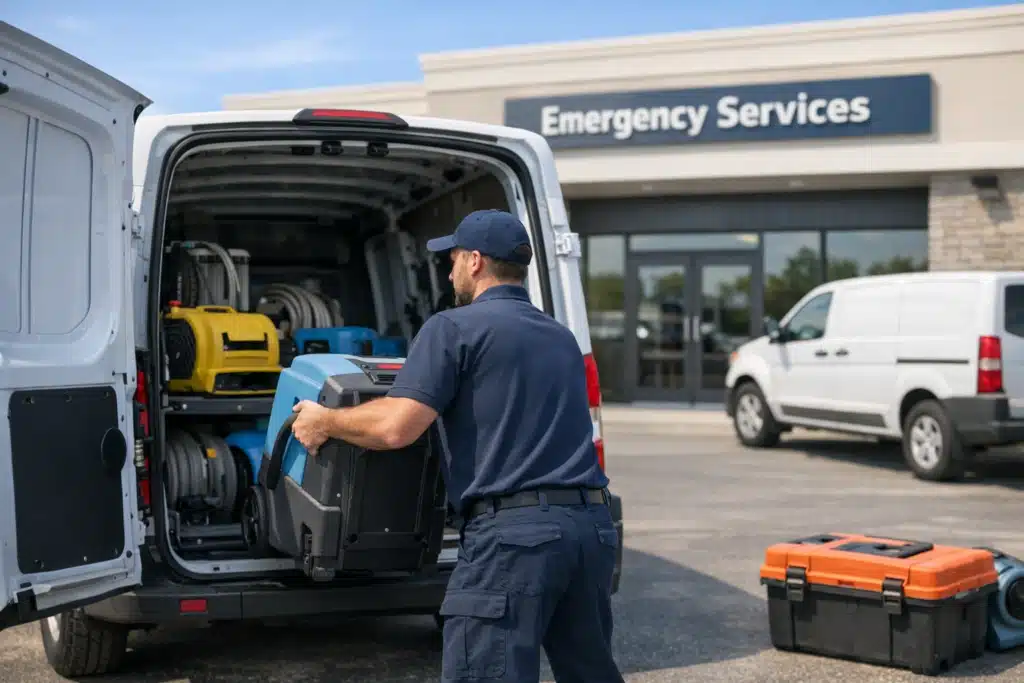
Measure response time from initial lead contact to first human conversation. This includes web form submissions, phone calls, and text messages. Emergency situations create urgency that fades quickly when property owners contact multiple companies.
Track these response metrics daily:
- Average response time across all lead sources
- Conversion rate by response time bracket (0-5 min, 6-15 min, 16-30 min, 30+ min)
- After-hours response performance (nights, weekends, holidays)
- Response time differences between staff members
Document which lead sources require fastest response. Google Ads emergency keywords need immediate attention. Insurance referrals allow 2-4 hour response windows without major conversion loss.
Improving Response Speed
Implement lead notification systems that alert multiple team members simultaneously. Many restoration companies use automated SMS alerts plus phone notifications. The first available person responds while others receive automatic stand-down notices.
Train staff on emergency lead qualification. Quick responders should identify genuine emergencies versus non-urgent inquiries within 90 seconds. This approach prioritizes active water damage over routine mold inspections.
Conversion Rate Tracking by Source
Different marketing channels produce varying lead quality for restoration campaigns. Google Ads emergency keywords convert 35-45% of leads to jobs. Facebook advertising converts 12-18%. Insurance referrals convert 60-75% when properly managed.
Track conversion rates separately for each traffic source and campaign type. This data reveals which marketing investments generate the highest return. Many restoration companies discover their lowest-cost leads convert poorly while premium sources drive profitable growth.
Calculate monthly conversion rates using this method:
- Count qualified leads that became paying customers
- Divide by total qualified leads from each source
- Exclude leads still in pipeline (quote pending, insurance approval)
- Track both emergency and non-emergency conversions separately
Document conversion rate patterns during different emergency types. Water damage emergencies convert faster but generate smaller average project values. Fire damage takes longer to convert but creates larger restoration contracts.
Optimizing Low-Converting Sources
Investigate why certain sources underperform before abandoning them. Facebook leads may convert poorly because ad targeting attracts price shoppers rather than emergency situations. Adjust audience targeting toward homeowners in flood-prone areas.
Test landing page modifications for low-converting sources. Emergency-focused headlines and prominent phone numbers can double conversion rates for paid advertising traffic.
Customer Lifetime Value by Acquisition Channel
Customer lifetime value reveals which marketing channels produce the most profitable long-term relationships. Insurance referrals generate customers worth ,500 over three years. Google Ads customers average $3,200 lifetime value. Repeat customers from previous emergencies create $12,000+ lifetime value.
Calculate lifetime value by tracking customer revenue over 36 months post-acquisition. Include repeat emergency calls, referrals to neighbors, and additional services like duct cleaning or content restoration.
Track these lifetime value components:
- Initial project revenue
- Follow-up service revenue (monitoring, final moisture testing)
- Repeat emergency calls within 36 months
- Referral revenue from customer recommendations
- Upsell revenue (content cleaning, reconstruction)
Document which acquisition channels produce customers who generate referrals. Insurance-sourced customers rarely refer new business. Google Ads customers refer neighbors during widespread storm damage events.
Maximizing Customer Value
Develop retention strategies for high-value customer segments. Companies can offer annual HVAC cleaning or moisture monitoring contracts to previous water damage customers. These programs generate recurring revenue while maintaining emergency service relationships.
Create referral incentive programs targeting customers acquired through high-lifetime-value channels. A $100 gift card for successful referrals costs less than acquiring new customers through advertising.
Return on Ad Spend (ROAS) for Restoration Campaigns
Return on ad spend measures revenue generated per advertising dollar invested. Profitable restoration companies target 4:1 ROAS minimum across all marketing channels. Emergency water damage campaigns can achieve 6:1-8:1 ROAS during peak demand periods.
Calculate ROAS monthly using actual collected revenue, not invoiced amounts. Insurance payment delays can skew short-term ROAS calculations. Track both immediate collections and total project value for complete analysis.
Monitor ROAS performance across different campaign types:
- Emergency response campaigns (water damage, fire damage)
- Preventive service campaigns (mold testing, duct cleaning)
- Storm response campaigns (targeted zip codes, weather-triggered ads)
- Insurance partnership campaigns (specific carrier relationships)
Document seasonal ROAS variations to guide budget allocation. Storm season may drive water damage ROAS above 10:1 while reducing mold campaign performance. Shift budget toward high-performing services during peak periods.
Improving Campaign ROAS
Focus advertising spend on campaigns exceeding 4:1 ROAS while pausing underperforming initiatives. Many restoration companies continue running brand awareness campaigns that generate 1:1-2:1 ROAS instead of emergency-focused campaigns achieving 6:1+ returns.
Test geographic targeting refinements to improve ROAS. Exclude areas with high competition or low insurance coverage rates. Focus budget on zip codes with higher home values and comprehensive insurance policies.
Implementing Metric Tracking Systems
Successful metric tracking requires systems that capture data automatically without manual intervention. Call tracking numbers reveal which campaigns generate phone leads. CRM integration connects leads to revenue outcomes. Google Analytics tracks website conversion paths.
Set up weekly metric review sessions to identify trends before they impact profitability. Monthly reviews catch problems too late during emergency restoration seasons. Weekly analysis allows rapid campaign adjustments when competition increases or demand shifts.
Use these tools to automate data collection:
- Call tracking software with keyword-level attribution
- CRM systems connecting leads to project completion
- Google Analytics with goal conversion tracking
- Lead notification systems measuring response times
Train team members to input data consistently. Response times and conversion outcomes require manual entry in most restoration companies. Standardize data entry processes to maintain accuracy across multiple staff members.
Conclusion
These five metrics provide restoration companies with actionable data for optimizing marketing campaigns and maximizing lead generation. Cost per lead, response time, conversion rates, lifetime value, and ROAS create a complete picture of marketing performance.
Regular monitoring of these metrics helps restoration companies allocate budgets effectively and respond quickly to market changes. Companies tracking these data points consistently outperform competitors who rely on guesswork.
Ready to implement professional metric tracking for your restoration marketing campaigns? The Restoration Marketers specializes in helping disaster restoration companies optimize their lead generation and campaign performance. Contact us at 123-456-7890 to discover how data-driven marketing can grow your restoration business.