

Most restoration companies publish content in October, right when fall storm and heating-season damage floods their phone lines. That timing is backward. The best restoration blog topics late summer get published in August, weeks before homeowners start searching for the problems that peak in fall.
Google needs time to rank a new page. A post published in late summer can sit on page one by the time dryer-vent fires and HVAC leaks spike. Publish in October, and your competitors already own the top spots.
Below is a ready-to-use editorial plan built around what homeowners search before fall arrives. Each topic maps to a real service line and a real seasonal trigger.
Why Late Summer Is the Best Window for Restoration Blog Topics
Restoration marketing runs on a different clock than general home-services marketing. A plumber can post evergreen content any month. Your leads move with weather, appliance use, and heating cycles.
New content takes 8 to 12 weeks to earn stable rankings. That lag is exactly why August and early September matter. You are seeding pages that mature right as demand climbs.
Late summer also happens to be a slower call period for many crews. That means your team has bandwidth to review copy, film short clips, and approve photos. Waiting until the fall rush leaves no one available to help.
How This Differs From Generic Content Planning
Generic advice says “post consistently.” That misses the point for restoration firms. Your editorial calendar should track the calendar of household risk, not a content quota.
A furnace-puffback article has near-zero traffic in June. In late September, searches climb as pilots relight and systems kick on. Publishing early puts you ahead of that curve.
12 Restoration Blog Topics to Publish Before Fall Spikes
Each topic below includes the search trigger and the service it feeds. Pick the ones that match your crew’s strongest revenue lines.
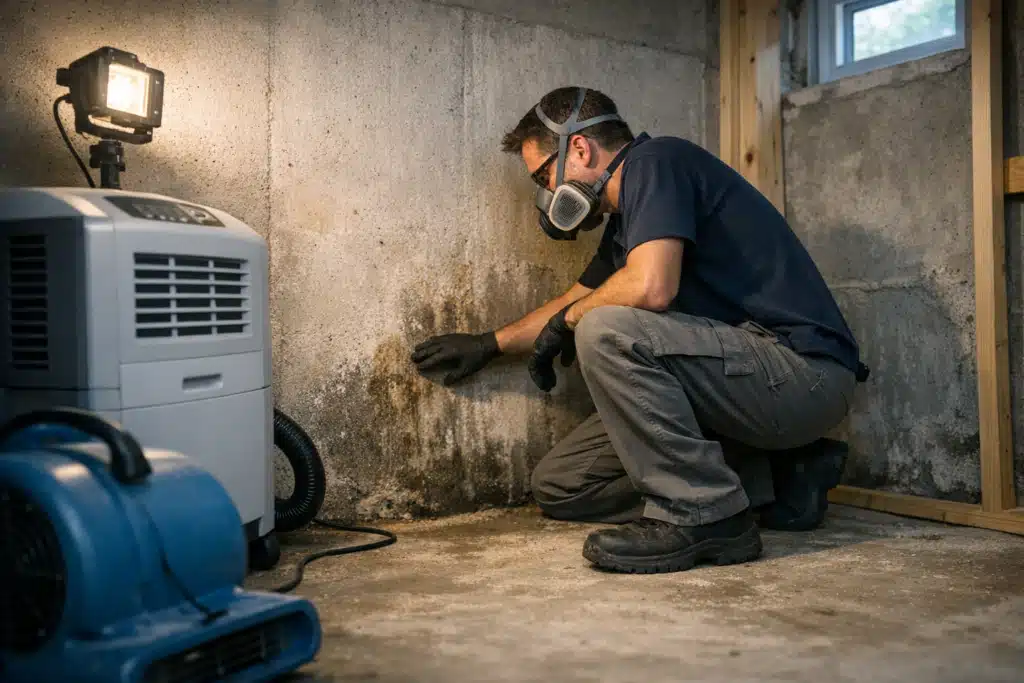
- “Why Your Basement Smells Musty in Late Summer (And When It’s Mold).” Humidity peaks in August. This topic pulls early mold-inspection calls before fall condensation makes it worse.
- “Dryer Vent Fire Risk: Signs Your Vent Is Clogged Before Winter.” Laundry loads rise as families return from summer travel. Fire restoration and cleanup both benefit from this page.
- “How to Test Your Sump Pump Before Fall Rains Start.” A five-minute homeowner test post captures people who find a dead pump. That failed test becomes your water-damage lead.
- “HVAC Condensate Leaks: The Hidden Cause of Ceiling Water Stains.” As systems run hard in late summer, clogged drain lines flood attics and closets. Strong water-mitigation intent here.
- “Appliance Fire Safety: Kitchen and Laundry Risks Homeowners Miss.” Cooking and laundry use climb once school starts. This feeds smoke and soot cleanup demand.
- “What Storm Damage Does Insurance Actually Cover?” Homeowners research coverage before hurricane and wind season. This attracts high-value claims work and builds trust.
- “Roof Leaks After the First Fall Storm: What to Do in the First 24 Hours.” An emergency-intent post that captures panic searches. Fast response wins the job.
- “Why Crawl Space Moisture Gets Worse in Autumn.” Ground temperature shifts drive condensation. This pulls encapsulation and mold-remediation inquiries.
- “Frozen Pipe Prevention Checklist (Start Before the First Freeze).” Publish in September to rank before the first cold snap. Burst-pipe emergencies follow within weeks.
- “Chimney and Furnace Puffback: What the Black Soot on Your Walls Means.” Heating startup causes puffbacks. Almost no local competitor writes about this, leaving the ranking open.
- “How to Spot Water Damage Behind Walls Before It Spreads.” Evergreen intent with a fall bump. Pairs with thermal-imaging service mentions.
- “Gutter Overflow and Foundation Water: The Fall Connection Most Homeowners Miss.” Falling leaves clog gutters, pushing water into basements. This links yard maintenance to your mitigation work.
Do not publish all twelve at once. Space them across four to six weeks so Google sees steady activity, not a one-time dump.
How to Turn Each Blog Post Into a Lead Source
A blog post without a conversion path is a brochure nobody asked for. Every article needs a clear next step for a worried homeowner.
Build the Page for Emergency Intent
Put your phone number in the first screen, not the footer. A person with a flooded basement will not scroll to find you.
- Add a click-to-call button that stays visible on mobile.
- Include one line stating your average response time, like “on-site within 60 minutes.”
- Place a short form above the fold for people who cannot call yet.
Emergency readers convert on speed, not on reading. Design the page to remove friction, not to impress.
Add Local Signals to Every Post
Local SEO for restoration companies means matching your pages to the towns you actually serve. Name the neighborhoods, counties, and zip codes in the body copy.
A sump-pump post that mentions “older homes in specific area” ranks better for that town. Vague pages compete against national chains and lose.
Track Which Posts Produce Calls
Use call tracking numbers unique to your blog content. That tells you which topics drive revenue, not just traffic.
Review the data after 90 days. Double down on the two or three posts booking real jobs and retire the rest.
Fall Restoration Marketing Content Ideas Beyond the Blog
Blog posts are the anchor, but they work harder with support. Repurpose each article into formats homeowners see elsewhere.
- Google Business Profile posts. Turn your dryer-vent article into a 3-sentence update with a photo. This keeps your profile active during the pre-fall window.
- Short vertical videos. Film a 30-second sump-pump test clip. Post it and link back to the full article.
- Email to past customers. Send your frozen-pipe checklist in September. Past clients refer neighbors when they get useful reminders.
These fall restoration marketing content ideas stretch one blog post across four channels. That multiplies reach without multiplying the writing work.
A Realistic Publishing Timeline for Small Restoration Teams
You do not need a full-time writer. You need a schedule that matches your crew’s slow weeks.
- Early August: Publish musty-basement and dryer-vent posts. These target the earliest fall risk searches.
- Mid August: Add sump-pump testing and HVAC condensate posts. Rain-season prep intent starts climbing.
- Early September: Publish frozen-pipe and puffback posts. Heating-season searches begin.
- Mid September: Round out with roof-leak and gutter posts ahead of the first storms.
Front-load the humidity and rain topics, then move to heating topics. That sequence tracks how household risk shifts week by week.
Common Mistakes That Waste Late-Summer Content
Writing the post is the easy part. The errors below quietly kill rankings and leads.
Publishing thin, 300-word posts that answer nothing. A homeowner leaves fast, and Google notices the bounce.
Copying manufacturer language or competitor pages word for word. Duplicate content earns no ranking and no trust.
Forgetting to update last year’s fall posts. A refreshed article with a new date beats a brand-new one for effort spent.
Turn Your Quiet Season Into Fall Lead Flow
The restoration companies winning fall jobs planted their content in late summer. Publishing early, targeting real seasonal triggers, and building each page for emergency calls turns slow weeks into booked crews.
The Restoration Marketers builds seasonal editorial plans that match your service lines to homeowner search demand. Call or text us at 720‑885‑0749, or visit https://restorationmarketers.com to get your fall content ready before the spikes hit.
Sources
- U.S. Fire Administration – Clothes Dryer Fire Safety
- U.S. Environmental Protection Agency – Mold and Health
- Google Search Central – How Google Search Works
- Ready.gov – Floods Preparedness Guidance